Kombucha side effects are usually mild, but they are real, and they are easy to miss in articles that only sell the benefits. This guide to kombucha side effects sets out what reliable sources say, what they do not say, and who should be careful. Most healthy adults who drink a small amount do not report problems, but that is not true for everyone.
We brew raw kombucha in Singapore, so we are not neutral. We separate verified facts from our own statements, and we have removed claims that we could not check.
TL;DR: The kombucha side effects most often described are stomach upset, allergic-type reactions, nausea and the effects of caffeine and trace alcohol. Contamination is a bigger risk with home brewing. Colorado State says kombucha is not advised for people with weakened immune function, those who are pregnant or lactating, and young children. Start with a small glass and stop if you feel unwell.
Table of contents
The most common kombucha side effects
There is no single official list of kombucha side effects, so we have used two sources that describe them plainly. The Colorado State University food safety page on kombucha says that when properly prepared, kombucha can be safe for human consumption. It lists commonly reported effects as "symptoms of allergic reactions, jaundice, nausea, vomiting", and notes that they may also come from misuse or pre-existing conditions.
The Cleveland Clinic, citing the CDC, says drinking about 4 ounces a day "may not cause adverse effects in healthy persons". It adds that drinking too much may cause "headache, nausea, GI distress", and in some cases ketoacidosis. Many store bottles hold more than 4 ounces, so the serving size on the label matters.
- Digestive upset: nausea, vomiting or stomach discomfort, especially with a large first serving.
- Allergic-type reactions: described in the Colorado State page, with no frequency given.
- Headache: listed by Cleveland Clinic for drinking too much.
- Caffeine and alcohol effects: both are present in small amounts.
- Contamination: mainly a home-brewing concern.

How much is too much? Kombucha side effects and serving size
Both sources point to a small amount as a cautious starting point. The Colorado State page suggests new drinkers limit intake, with "no more than four ounces per day". Cleveland Clinic cites the same 4 ounces from the CDC. Four ounces is about 118 ml, which is less than half of a typical small bottle.
We cannot tell you a safe daily amount for you. These figures come from US sources, they are cautious starting points, and they are not a limit proven by trials. If you have a health condition, a doctor is a better guide than a label.
A practical way to limit kombucha side effects is to start with a small glass, drink it with food, and wait a day before having more. If you feel unwell, stop.
Digestive kombucha side effects: nausea, gas and stomach upset
Stomach upset is the kombucha side effects people mention most, and it matches what the sources list: nausea, vomiting and general GI distress. Kombucha is acidic and fizzy, and a large glass on an empty stomach is a plausible reason for discomfort. That explanation is our reasoning and not a finding from the sources.
If you have a sensitive stomach, our guides on drinking kombucha on an empty stomach and kombucha and diarrhea go through the questions we are asked most.
Allergic reactions and other rare kombucha side effects
The Colorado State page lists "symptoms of allergic reactions" and "jaundice" among reported effects, and notes they may stem from misuse or pre-existing conditions. It does not give how often they occur. We therefore describe them as reported, rare in what we could verify, and a reason to seek medical help if they happen.
Cleveland Clinic also mentions that homemade kombucha brewed in clay vessels may carry a risk of lead toxicity. That is another reason to be careful with home brewing. If you have a rash, swelling, yellowing of the skin or eyes, or trouble breathing, stop and get medical help.
Kombucha side effects from alcohol and caffeine
A 2022 laboratory study of nine commercial kombucha products measured nine commercial products. It detected ethanol in eight of them, up to 1.29% in one, and found a wide spread in caffeine. It is a small study and does not describe every bottle, but it shows why these kombucha side effects are worth knowing about.
The Colorado State page says alcohol must stay below 0.5% ABV to be sold as non-alcoholic in the US, and that products at or above 0.5% are regulated as alcoholic beverages. That is a US rule. We have not verified a Singapore rule, and our own stated figure of under 0.5% ABV is our statement about our product.
For caffeine, the FDA cites 400 mg a day as an amount not generally associated with negative effects for most adults. Our guides on kombucha and alcohol and kombucha caffeine go through the numbers.

Contamination: the kombucha side effects that come from bad batches
The Colorado State page warns that a SCOBY can become contaminated with harmful organisms, including wild yeasts and bacteria, and specifically mentions Aspergillus, a toxic mold. It says that if mold appears, the SCOBY and all liquid must be discarded, and that even though the pH is kept relatively low, contamination can still occur.
This is mainly a home-brewing issue in our reading, but we cannot say commercial bottles are immune. If a bottle looks, smells or tastes wrong, do not drink it. Keeping raw kombucha cold also matters, and our guide on whether kombucha needs refrigeration explains why.
Teeth and kombucha side effects
Kombucha is acidic, and acidic drinks are often discussed in relation to tooth enamel. We did not find a kombucha-specific dental study to cite, so we cannot quantify the risk. If this worries you, ask your dentist, rinse with water after drinking and avoid sipping slowly through the day.
Our guide on kombucha and teeth covers the question in more detail.
Who should avoid kombucha or take extra care
The Colorado State page says consumption is not advised for individuals with compromised immune function, pregnant or lactating women, and young children. It also advises caution for people with pre-existing conditions because the possible health effects are unknown. Cleveland Clinic similarly advises pregnant people and those with a compromised immune system to choose another drink.
- Pregnant or breastfeeding: see kombucha and pregnancy.
- Weakened immune system: ask your doctor first.
- On medication: see kombucha and medication.
- Young children: see kombucha for kids.
- Avoiding alcohol or caffeine: read the label and ask the seller for lab data.
What the evidence says about kombucha side effects and benefits
A 2019 systematic review of human evidence on kombucha reviewed 310 articles and found one study reporting empirical results in human subjects. It called for human clinical trials. That matters for side effects too: with so little human research, rare problems are hard to measure and we should expect gaps in the evidence.
So we cannot say kombucha side effects are rare or common with confidence. We can say that healthy adults who drink small amounts are the group the cautious sources are comfortable with, and that other groups should ask a doctor.
How to reduce the risk of kombucha side effects
- Start with a small glass, about the 4 ounces the sources mention.
- Drink it with food at first.
- Choose a labelled, dated, refrigerated bottle from a seller who answers questions.
- Keep raw bottles cold and open them slowly.
- Avoid home brewing unless you follow a tested food-safety guide.
- Stop and speak to a doctor if you feel unwell.
Following these steps will not remove every risk, but it addresses the causes the sources point to. For a wider checklist, see our guide to the best kombucha in Singapore.
A cautious first week to limit kombucha side effects
If you are new to kombucha, the simplest way to limit kombucha side effects is to go slowly. This plan is our own suggestion and not a medical protocol, so adjust it for your health.
- Day one: a small glass, about the 4 ounces the sources mention, with a meal.
- Day two: stop and notice how you feel. If you have stomach upset, wait.
- Day three onward: if you felt fine, try the same amount again, and only then think about more.
- Any time: if you feel unwell, stop, and speak to a doctor if symptoms continue.
There is no verified schedule that prevents every problem. The point is to give your body a chance to show you whether kombucha agrees with you, before you drink a whole bottle. Kombucha side effects are easier to spot when you change one thing at a time.
Common mistakes that make kombucha side effects more likely
- Drinking a whole large bottle at once: many bottles hold more than the 4 ounces cited by the sources.
- Ignoring the label: sugar, caffeine and alcohol all vary by product.
- Leaving raw bottles warm: heat keeps fermentation going and changes the drink.
- Brewing at home without a tested guide: contamination is described as mainly a home-brewing risk.
- Ignoring symptoms: persistent stomach pain, yellowing of the skin or an allergic reaction need a doctor.
Avoiding these five mistakes is the practical answer to how to reduce kombucha side effects. They also cost nothing, and they match what the cautious sources say.
What to do if you think kombucha side effects have started
Stop drinking it. Note what you drank, how much and when, because that helps a doctor. Do not try to treat a reaction yourself.
- Mild stomach upset: stop, drink water and rest. If it continues, speak to a doctor.
- Rash, swelling or trouble breathing: seek urgent medical help.
- Yellowing of the skin or eyes: seek medical help promptly.
- A bottle that smelled or looked wrong: keep it, do not drink more, and tell the seller.
We are not doctors and cannot diagnose anything. The list above is general common sense, and it is not a substitute for medical advice. If you are unsure whether kombucha side effects are the cause, tell your doctor what you have been drinking.
Raw and pasteurised bottles: do kombucha side effects differ?
We could not find a source that compares kombucha side effects in raw and pasteurised bottles, so we do not claim a difference. Raw kombucha contains live cultures, and pasteurised kombucha does not, which is why the sources are most cautious about raw products for people with weakened immunity.
What we can say is that the label tells you which you have. If you are in a group that should be careful, tell your doctor whether the bottle is raw. That is the single most useful detail. Our guide on how to choose kombucha shows what to look for.
Aboocha: our own statements
Aboocha brews kombucha and jun tea in small batches in Singapore. These are our own statements and have not been audited by an independent party.
| Item | What we state |
|---|---|
| Live culture | Raw and unpasteurised |
| Delivery | Chilled; free island-wide cold-chain delivery on orders of $80 and above (about 12 bottles) |
| Sugar | Nutri-Grade A-B, about 1-3% sugar, per our nutrition panels |
| Alcohol | Under 0.5% ABV, our own stated figure |
| Ingredients | Vegan, no artificial sweeteners |
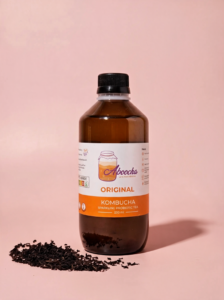
Because our drinks are raw, we suggest them for adults and older teens, and not for young children or during pregnancy. You can browse our kombucha in Singapore and jun tea in Singapore ranges or visit the shop. If you want to start gently, Original is a tea-forward flavour.
What we checked and what we could not
- Checked: the Colorado State University food safety page, the Cleveland Clinic page, the FDA page, the 2019 systematic review and the 2022 laboratory study.
- Removed as unverified: an average alcohol figure of 0.26% and a maximum of 0.48% from "commercial testing", claims about liver toxicity without a source, and a kombucha-specific dental claim.
- US sources: the 4 ounce figure and the 0.5% rule come from US sources. We have not verified a Singapore rule.
- Our own statements: everything in the Aboocha table.
This article is general information, not medical advice. Speak to a qualified health professional about your own circumstances.
What are the most common kombucha side effects?
Sources describe nausea, vomiting, stomach upset, headache and allergic-type reactions, plus effects from caffeine and trace alcohol. Contamination is mainly a home-brewing risk. How often these occur is not well documented.
How much kombucha is safe to drink?
Colorado State suggests new drinkers limit intake to no more than four ounces a day, and Cleveland Clinic cites the CDC saying about 4 ounces may not cause adverse effects in healthy persons. These are cautious US starting points, not proven limits.
Can kombucha make you sick?
It can in some cases, for example through nausea or an allergic-type reaction, or through contamination of a bad batch. If you feel unwell, stop drinking it and speak to a doctor.
Does kombucha contain alcohol?
Yes, a little. A 2022 laboratory study detected ethanol in eight of nine commercial products, up to 1.29% in one. Our own stated figure is under 0.5% ABV.
Is kombucha safe during pregnancy?
Colorado State says it is not advised for pregnant or lactating women, and Cleveland Clinic advises pregnant people to choose another drink. Ask your doctor.
Who should avoid kombucha?
People with compromised immune function, those who are pregnant or lactating and young children, according to Colorado State. People on medication or with health conditions should ask a doctor.
Are kombucha side effects worse with homemade kombucha?
The sources describe contamination as mainly a home-brewing concern, and Cleveland Clinic notes a lead risk from clay vessels. Commercial bottles are not risk-free either, so check the label and keep raw bottles cold.
Can kombucha side effects start straight away?
Some people notice stomach upset soon after a large glass, which is why the sources suggest starting small. We could not find data on timing, so watch how you feel over the first day and stop if you feel unwell.
Are kombucha side effects the same for jun tea?
We have not found a source that compares them. Jun tea is also a live fermented drink, so we apply the same cautions: start small, read the label and ask a doctor if you are pregnant, immunocompromised or on medication.
Does kombucha damage teeth?
We found no kombucha-specific study. Kombucha is acidic, so ask your dentist, rinse with water afterwards and avoid sipping slowly all day.