Plain kombucha is usually gluten-free because it’s brewed from tea, sugar, water, and a SCOBY culture, none of which contain wheat, barley, or rye. The exceptions matter, though: hard kombucha, malt-based flavorings, brewer’s yeast grown on grain, and cross-contamination in shared taps or facilities can all introduce gluten. The rest of this guide covers exactly when to worry and how to check a bottle before you drink it.
TL;DR:
- Most kombucha, made from tea, sugar, and a SCOBY, is naturally gluten-free, but added flavorings or ingredients can introduce gluten risks.
- Hard kombucha, malt flavorings, brewer’s yeast, and shared brewing equipment are the primary sources of gluten contamination to watch for.
- Always check ingredient labels for malt, barley, brewer’s yeast, or vague flavoring terms, and prefer brands with transparent sourcing or gluten-free certification.
- Fermentation does not break down gluten proteins, so gluten contamination depends on ingredients added after brewing, not the fermentation process itself.
- Aboocha Kombucha uses only the base ingredients of tea, sugar, water, and SCOBY without added malt or beer-style brewing, making it suitable for most gluten-sensitive consumers.
Table of Contents
- What Is Kombucha Made Of?
- Why Plain Kombucha Is Usually Gluten-Free
- When Kombucha Might Contain Gluten
- How to Verify a Kombucha Is Gluten-Free
- What Aboocha Kombucha Does for Gluten-Conscious Drinkers
- Does Fermentation Break Down Gluten?
- A Practical Takeaway From the Research
- Try Aboocha Kombucha Without the Label-Reading Guesswork
- Sources
- FAQ
What Is Kombucha Made Of?
Kombucha starts with four things: black or green tea, sugar, water, and a SCOBY, short for “symbiotic culture of bacteria and yeast.” None of those ingredients come from wheat, barley, or rye, which are the three grains that contain gluten.
The SCOBY is where people get confused. It looks strange, floats on top of the liquid, and sounds like it could be some kind of grain byproduct. It isn’t. The SCOBY’s job is to eat sugar and convert it into organic acids, carbon dioxide, and a small amount of alcohol. That process, called fermentation, doesn’t manufacture gluten out of nowhere. A fermentation and homebrewing breakdown covers the mechanics in more detail if you want the full picture.
What can change the equation is what gets added after fermentation:
- Fruit purees, juices, and herbal botanicals, which are naturally gluten-free.
- Spices and extracts, almost always safe unless grain-derived carriers are used.
- Flavoring syrups, which occasionally include malt or barley-based sweeteners.
The base drink is safe by design. The additions are where you need to start paying attention.
Why Plain Kombucha Is Usually Gluten-Free
Standard kombucha recipes never call for wheat, rye, or barley, which is the entire reason plain, traditionally brewed kombucha lands in the gluten-free category by default. Tea and sugar aren’t gluten sources under any circumstance, and the fermentation culture itself doesn’t change that.
A review of fermented foods supports this directly: fermentation by yeast and bacteria doesn’t create gluten proteins from non-gluten ingredients. The SCOBY isn’t quietly synthesizing gluten during the brewing process. It’s converting sugar into acids and a trace of alcohol, full stop.
Celiac echoes the same conclusion: kombucha is typically safe for people avoiding gluten, provided the ingredient list stays simple. That’s a meaningful reassurance if you have celiac disease, an autoimmune condition where gluten exposure damages the small intestine and demands strict, lifelong avoidance, not just a “mostly fine” approach.
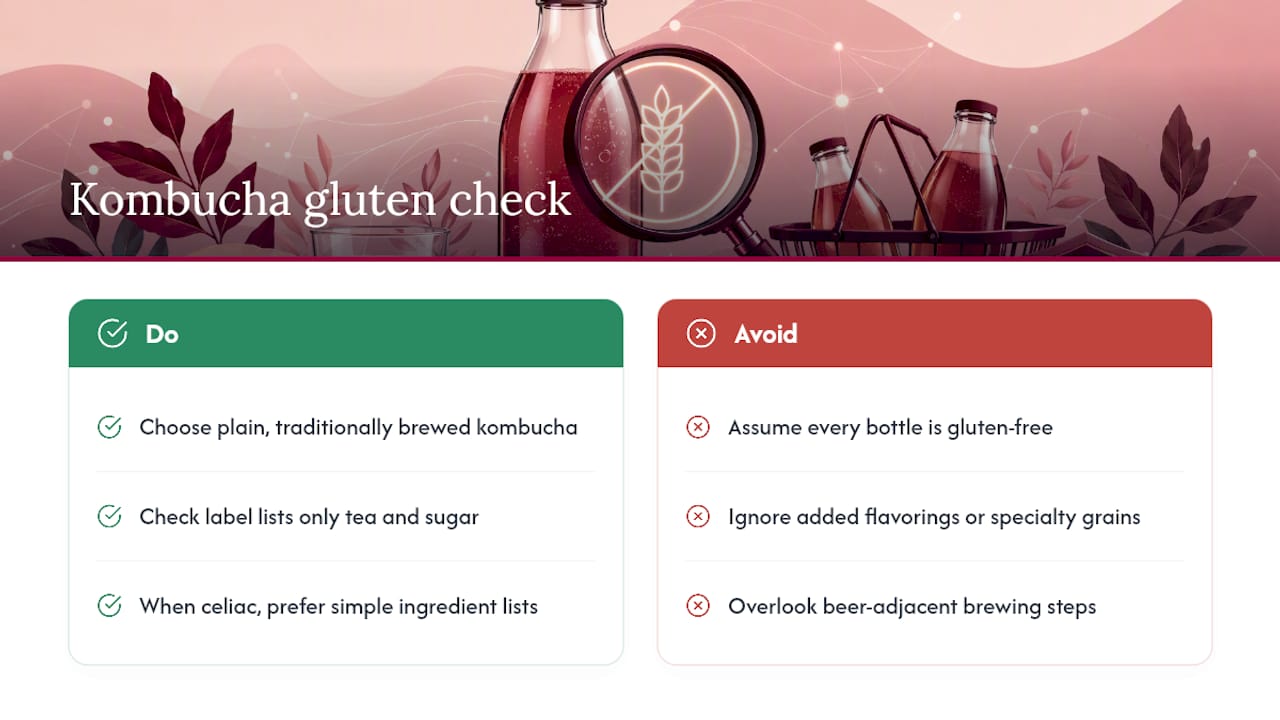
Reassurance isn’t the same as a blank check, though. “Usually gluten-free” is a statement about the base recipe, not a guarantee about every bottle on every shelf. The moment a producer adds a flavoring, a specialty grain, or a beer-adjacent brewing step, the calculation changes. That’s the part most drinkers skip past, and it’s exactly where the next section picks up.
When Kombucha Might Contain Gluten
A handful of specific risks account for nearly every gluten complaint linked to kombucha, and they’re worth memorizing rather than guessing at:
- Hard kombucha. Some brands boost the alcohol content using beer-style brewing methods or barley malt, which introduces real gluten, as detailed in this guide to gluten-free cocktails and mocktails. This is a background risk worth knowing about, even without a dedicated safety study confirming exact levels.
- Malt flavoring or malt extract. Malt almost always comes from barley. If it shows up on the label, treat the product as unsafe unless the maker states otherwise.
- Brewer’s yeast or autolyzed yeast extract. These are sometimes propagated on barley-based growth mediums, which can carry gluten residue into the final ingredient.
- Cross-contamination. Shared bottling lines, shared tap systems at bars, or facilities that also process beer or malt beverages can introduce trace gluten even into an otherwise clean recipe.
- Unclear or vague flavoring language. “Natural flavors” and “flavor extract” without further detail can hide grain-derived carriers.
Pro Tip: If a kombucha label doesn’t specify where its flavoring or yeast comes from, treat that silence as a red flag rather than a good sign. Manufacturers that are confident about their gluten-free status usually say so plainly.
The main risk overlaps with those flagged by celiac-focused sources: malt, hard kombucha, and shared tap lines account for most of the documented concern.
How to Verify a Kombucha Is Gluten-Free
Checking a bottle takes less time than reading the nutrition panel on a cereal box, and it removes almost all the guesswork:
- Read the full ingredient list, not just the front label, and look specifically for “malt,” “barley,” “brewer’s yeast,” or “maltodextrin” (usually corn-based, but worth a second look if unspecified).
- Look for an explicit “gluten-free” claim or third-party certification rather than assuming based on the product category.
- Check how the manufacturer labels allergens. In Singapore, the Singapore Food Agency’s labelling requirements require packaged food producers to declare allergens and certain ingredient origins, which gives you a legal baseline to check against.
- When labeling is ambiguous, contact the manufacturer directly and ask about sourcing for yeast and flavoring ingredients.
One detail worth flagging: most kombucha gluten complaints trace back to a small set of repeat offenders (malt flavoring, hard kombucha, and shared brewing equipment) rather than the base tea-and-sugar recipe itself. That pattern shows up consistently across dietitian guidance and celiac advocacy resources alike. If you have celiac disease specifically, prioritize certified gluten-free products or brands with transparent, publicly available sourcing information over anything with a vague or incomplete label.
What Aboocha Kombucha Does for Gluten-Conscious Drinkers
Aboocha Kombucha builds every flavor, from Sour Plum to Yuzu Osmanthus, on the same base: tea, water, sugar, and a SCOBY culture, with no malt, no brewer’s yeast additions, and no beer-style brewing process involved. Lower sugar content is part of the formula too, which matters if you’re already reading labels carefully for one dietary concern and don’t want to trade it for another.
If you want to understand the mechanics before you buy anything, the SCOBY explainer walks through exactly how the culture behaves during fermentation, and the low-sugar kombucha overview covers how that lower-sugar approach affects overall gut health. If a flavor or ingredient question isn’t answered on the product page, reaching out directly is the fastest way to get a clear answer instead of guessing.
Does Fermentation Break Down Gluten?
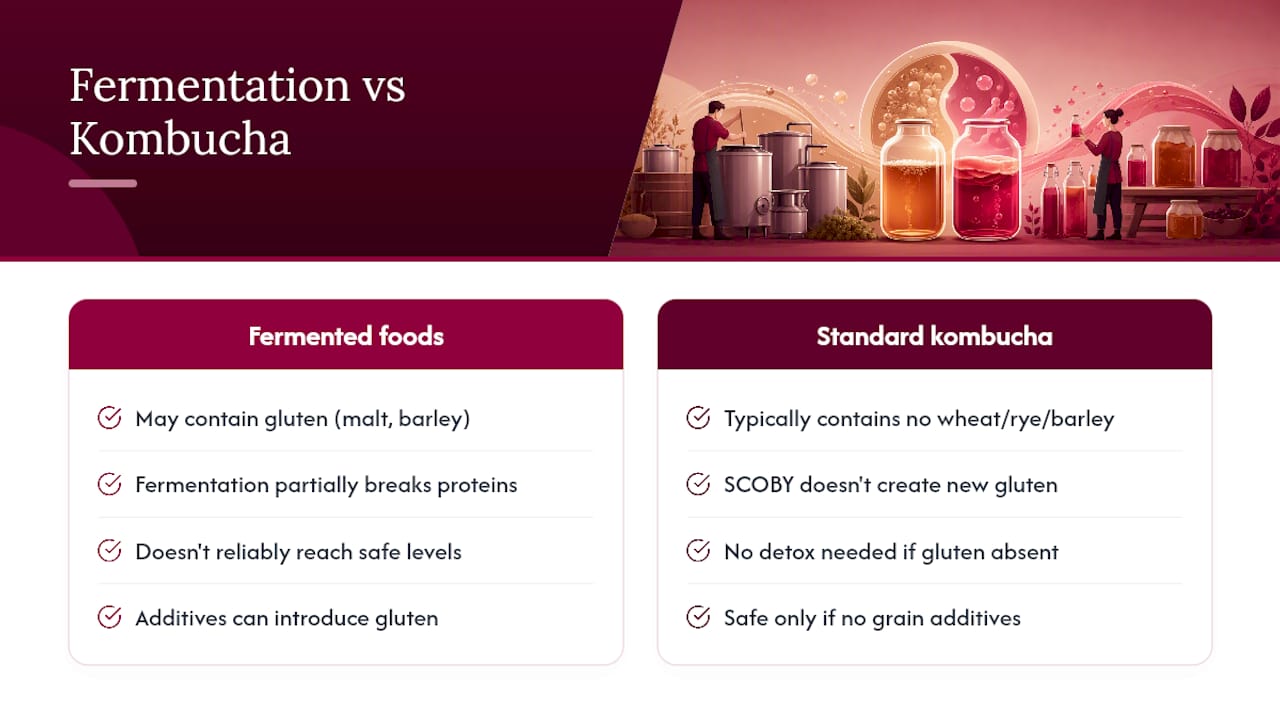
Fermentation does not reliably neutralize gluten, and that’s a point worth being precise about because it gets misunderstood constantly. Some fermented products, like sourdough bread, undergo partial gluten protein breakdown during long fermentation, but “partial” isn’t “safe for celiac disease.” The gluten protein structure can be altered without being destroyed to a level that’s safe for an autoimmune reaction.
Kombucha sidesteps this entire issue in a different way: it isn’t fermenting gluten to begin with. There’s no wheat, rye, or barley protein present in a standard batch for the SCOBY to break down. The fermentation and food safety review backs this distinction up: yeast and bacteria during fermentation don’t synthesize new gluten molecules from non-gluten starting ingredients, and they don’t need to detoxify a substance that was never added.
The confusion usually comes from lumping all fermented foods into one basket. If gluten went into the batch (through malt, barley-derived brewer’s yeast, or a flavoring syrup), fermentation won’t reliably remove it to a safe threshold. If gluten never went in, there’s nothing to break down in the first place. That second scenario describes standard kombucha. It’s a cleaner story than most fermented foods get to tell, but it only holds up when the ingredient list stays free of grain-derived additions.
A Practical Takeaway From the Research
The pattern across every serious source on this topic points the same direction: plain kombucha is safe for most gluten-free diets, and the real risk sits almost entirely in a small list of specific ingredients and processes, not in the base recipe. If you have celiac disease or a diagnosed sensitivity, spend your energy checking for malt, brewer’s yeast sourcing, and hard kombucha labeling rather than worrying about tea and sugar fermentation itself. When a label is vague, treat that vagueness as your answer. Reach out to the manufacturer, or pick something with clearer sourcing.
— Irwin Lee
Try Aboocha Kombucha Without the Label-Reading Guesswork
You’ve just read what to check on every bottle. Aboocha Kombucha builds that transparency into the product itself, so you spend less time scrutinizing ingredient panels and more time actually enjoying what’s in the bottle. Every flavor runs on the same tea, sugar, water, and SCOBY base, with lower sugar content and no malt or beer-style brewing anywhere near the process.
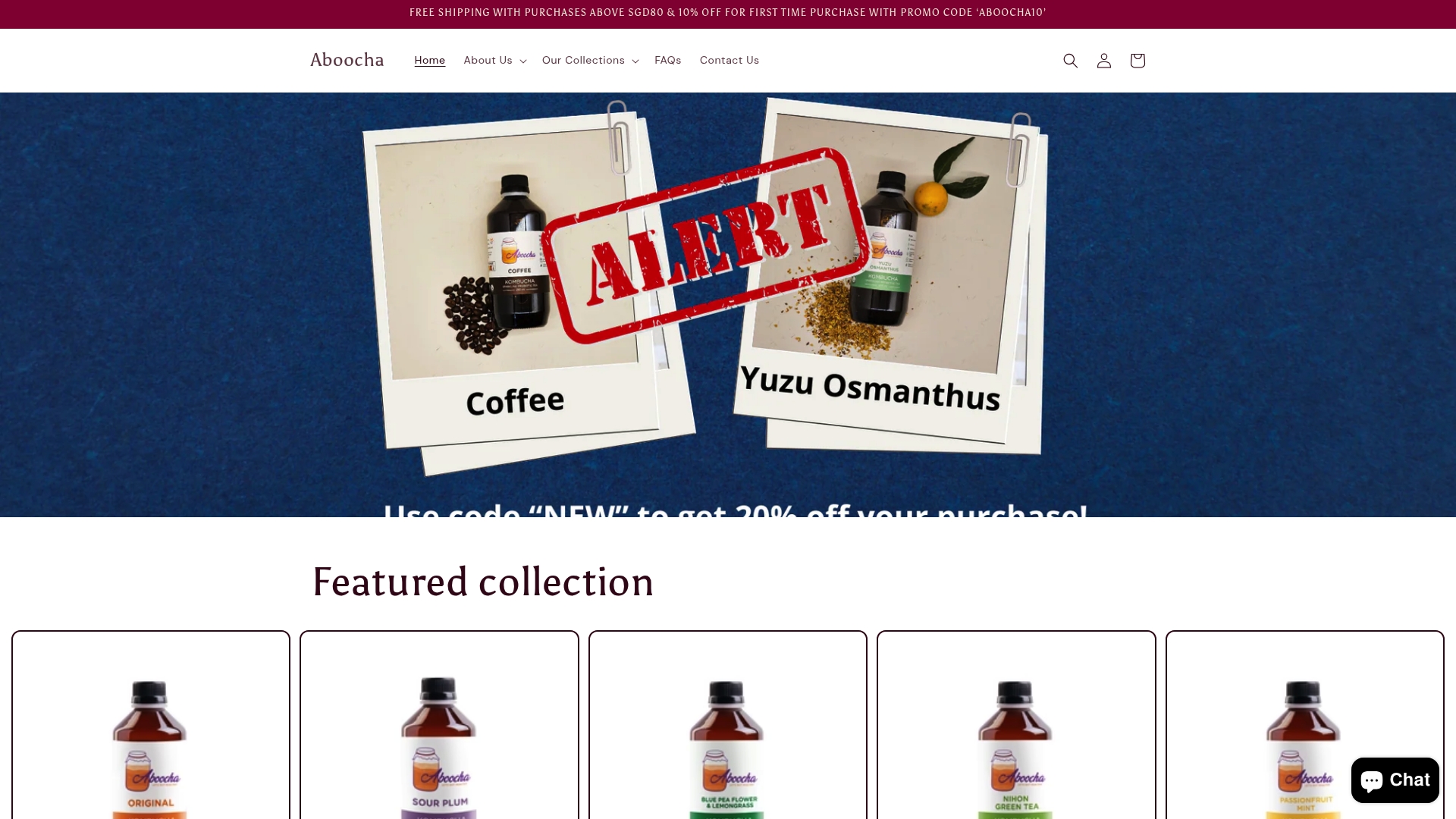
If you want to try more than one flavor before committing, the bundles and sample sets let you sample Sour Plum, Yuzu Osmanthus, and other options in one order instead of buying full-size bottles blind. For something gift-ready, the Aboocha x Deefruit collaboration set pairs well with a first-time recommendation to someone else who’s gluten-cautious. Offices building out a shared pantry can look at the corporate ordering system for recurring bulk supply. Start with a bundle, see which flavor you actually reach for again, and go from there.
This article is general information, not a substitute for advice from a qualified doctor. Consult a qualified healthcare professional about your own circumstances before acting on anything here.
Sources
FAQ
Is Kombucha Good for Gluten Intolerance?
Plain kombucha is generally well tolerated by people with gluten intolerance since it’s brewed from tea, sugar, and a SCOBY with no grain-derived gluten sources, but always double check flavoring ingredients and yeast sourcing.
What Drinks Trigger Celiac Disease?
Beer, malt beverages, and any drink flavored with barley malt or brewer’s yeast grown on grain can trigger a reaction in someone with celiac disease; hard kombucha falls into this risk category too.
Who Should Not Drink Kombucha?
People with celiac disease should avoid hard kombucha, malt-flavored kombucha, and any product with vague or undisclosed ingredient sourcing; pregnant people and those with compromised immune systems are also often advised to be cautious due to trace alcohol and live cultures.
Should You Drink Kombucha if You Have Diarrhea?
Kombucha’s live cultures and acidity can worsen digestive upset for some people during an active flare, so it’s generally smarter to wait until symptoms settle before reintroducing it, and to start with a small amount when you do.