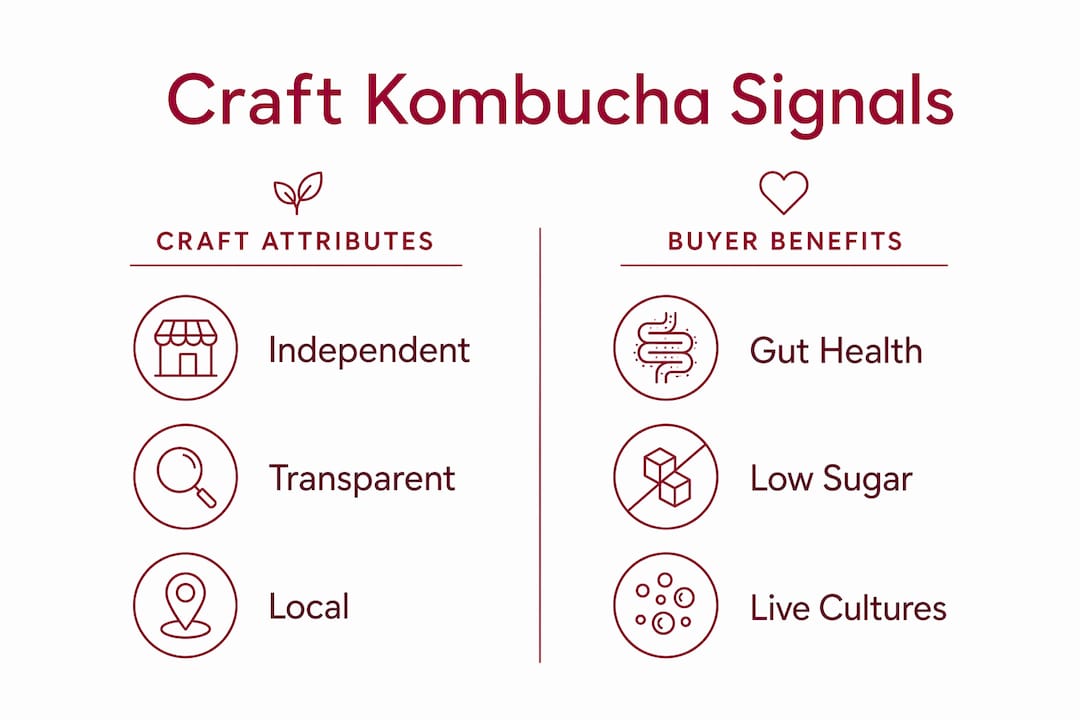
The craft beverage movement is the shift toward small-batch, independently made drinks, and it has reached kombucha in Singapore. But "craft" is a marketing word as much as a description, so it helps to know what it can and cannot tell you. This guide to the craft beverage movement explains what craft kombucha usually means, what the evidence says about health claims, and how to check a bottle for yourself.
We brew kombucha and jun tea in Singapore, so we are not neutral. We separate verified facts from our own statements, and we have removed claims that we could not check.
TL;DR: The craft beverage movement favours small batches, independent makers and transparency, but "craft" is not a guarantee of quality or health. Judge craft kombucha by what you can read on the bottle: live cultures, sugar per 100 ml, a date and clear ingredients. Human evidence for kombucha's health benefits is limited, so choose it for taste and ask a doctor if you are pregnant or on medication.
Table of contents
What is the craft beverage movement?
The craft beverage movement describes a preference for drinks made in small quantities by independent producers, with attention to ingredients, flavour and the story behind the product. It began with beer and spread to coffee, tea, spirits and fermented drinks. In kombucha, the craft beverage movement shows up as small-batch brewers, local flavours and open labelling.
We do not have market figures for the size of the craft beverage movement in Singapore, so we will not quote any. What we can describe is what the word is meant to signal and how you can test it. A craft label tells you what a maker wants you to think, and the craft beverage movement works only if the bottle backs it up. The bottle tells you what is actually inside.
Where the craft beverage movement came from
The craft beverage movement is usually traced to small breweries that wanted to offer something different from mass-produced beer. We do not rely on exact dates or figures here, because we have not verified a single agreed history. What matters is the idea: make fewer drinks, make them with care, and tell customers what is in them.
That idea spread to other drinks, and kombucha fits it naturally. Kombucha is made in batches, takes time, and varies from one brewer to the next. The craft beverage movement gives buyers a reason to ask questions about those differences, and a good maker welcomes the questions.
For a buyer in Singapore, the useful lesson from the craft beverage movement is to value transparency over slogans. A brand that explains its batches, dates and ingredients earns more trust than one that only uses the word craft.
Why people choose craft kombucha in Singapore
We do not have survey data we can cite, so this comes from what customers tell us, and it is our observation and not a statistic. The reasons are simple and mostly about choice.
- Flavour: tea, fruit and flower flavours give more variety than a standard soft drink.
- Less sweetness: many people want a tangier drink, although sugar still varies by brand.
- Transparency: a short label that names ingredients feels more trustworthy.
- Local identity: flavours such as sour plum and yuzu feel familiar.
None of these is a health claim. They are the reasons the craft beverage movement appeals to drinkers, and they are a fair way to decide whether craft kombucha suits you.
A simple taste test for craft kombucha
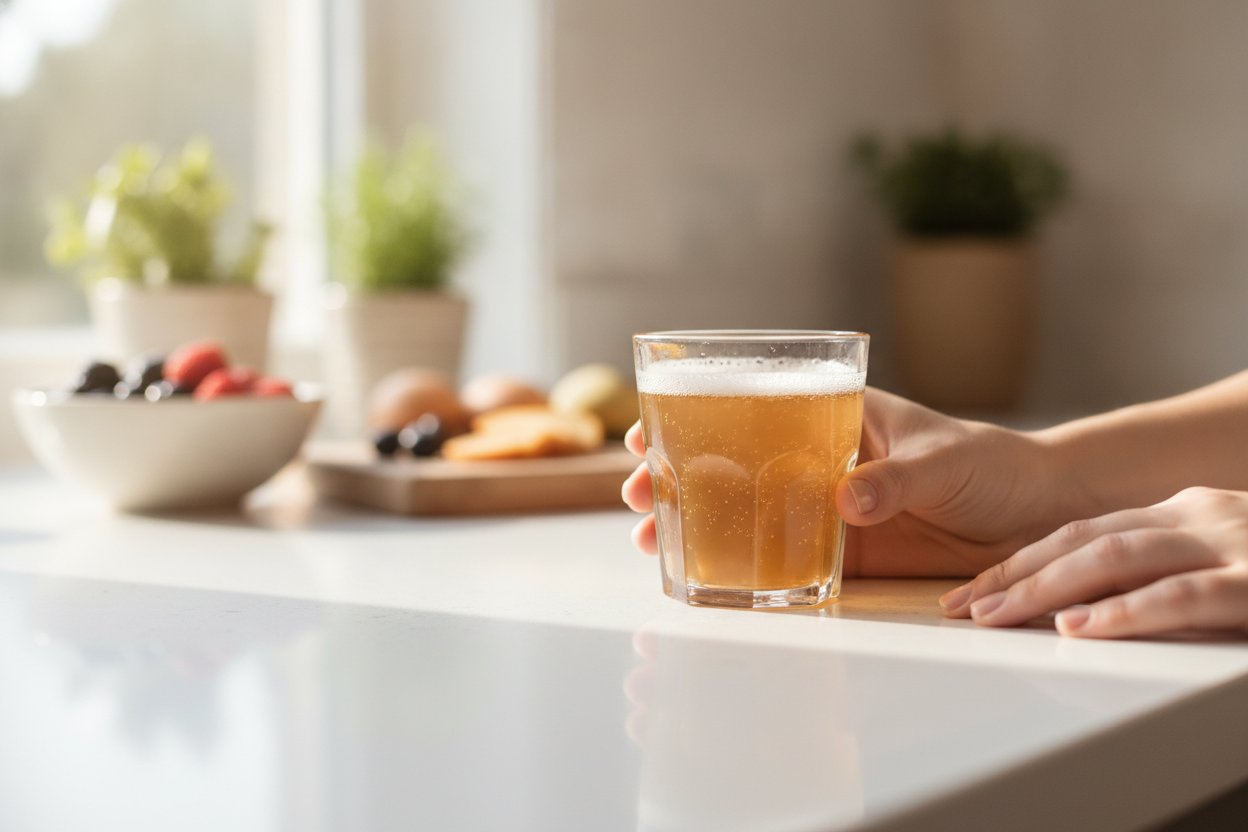
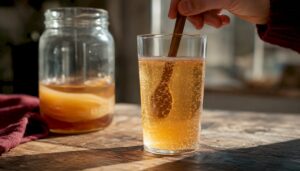
The easiest way to judge craft kombucha is to taste two or three side by side. Chill them to the same temperature, pour small glasses, and take notes before you read the labels. Look at the fizz, smell, then sip.
Ask whether it is balanced between sweet and sour, whether the tea comes through, and whether you would want a second glass. The craft beverage movement is about care, and your own palate is the best test of whether a maker has taken it. Rinse your mouth with water between samples, and check the sugar and date on each label afterwards.
What does craft actually mean for kombucha?
"Craft" has no single agreed definition for kombucha, and we have not verified any official definition in Singapore, so we treat it as a marketing term. Makers who use it usually mean some mix of the following. None of these is guaranteed by the word itself.
| Craft signal | What it usually suggests | How to check it |
|---|---|---|
| Small batches | More attention per batch | Batch number or date on the label |
| Independent maker | Not owned by a large drinks company | The maker's own website and about page |
| Real ingredients | Tea, fruit and botanicals named on the label | The ingredient list |
| Live cultures | Unpasteurised, not heat-treated | "Unpasteurised" or "live cultures" on the label |
| Local brewing | A shorter route to you | Where it says it is brewed |
Treat the table as a list of questions rather than proof. A small maker can still make a poor drink, and a large maker can make a good one. The craft beverage movement is a useful lens, but it works best alongside the label.
Craft kombucha and gut health: what the evidence shows
Craft kombucha is often marketed for gut health. For kombucha in general, a 2019 systematic review of human evidence on kombucha reviewed 310 articles and found one study reporting empirical results in human subjects. It called for human clinical trials to test the claims made in laboratory and animal work.
That means we cannot say craft kombucha is better for your gut than any other drink. Live cultures are part of what makes kombucha distinctive, and small-batch makers may keep them alive by selling the drink unpasteurised and cold. But a review of the evidence does not show that this improves your health. The old version of this article made that claim, and we removed it.
If you want to look after your gut, a doctor or dietitian is a better guide than a bottle label. Enjoy craft kombucha for its taste and for the choice it gives you over sugary drinks.
How to read a craft kombucha label for sugar
The craft beverage movement prizes transparency, so a good craft label should tell you what you need. Start with sugar, because it varies widely between brands. The Health Promotion Board describes Nutri-Grade as a mandatory nutrition label for beverages sold in Singapore, with four grades from A to D.
According to that page, labelling is mandatory for grades C and D, and alcoholic beverages are excluded. The page does not mention kombucha, so we cannot say how a given bottle is classified. The practical step is to read the sugar per 100 ml on the nutrition panel and compare brands on that number.
- Sugar per 100 ml: compare brands on the same unit, not per bottle.
- Ingredients: look for named tea, named fruit and no vague "flavours" without detail.
- Live or pasteurised: look for "unpasteurised" or "live cultures".
- Date: a bottling or best-before date.
- Alcohol: kombucha always contains a little ethanol, so be wary of "alcohol-free" without detail.
We do not give a universal "low sugar" number, because we have not verified an official threshold for fermented drinks in Singapore. Use the label and compare. Our guide to low sugar drinks available in Singapore compares drinks more widely.
What is in craft kombucha? Alcohol and caffeine
A 2022 laboratory study of nine commercial kombucha products measured the contents of nine commercial products. It detected ethanol in eight of the nine, up to 1.29% in one, and found a wide spread in caffeine. That is one study of nine products, so it does not describe every bottle, but it shows that being small or independent does not remove alcohol or caffeine from a fermented tea.
Our guides on kombucha and alcohol and kombucha caffeine go through the numbers. If you avoid either, read the label and ask the seller.
How to spot a genuine craft kombucha maker
The craft beverage movement rests on trust, so check the maker as well as the bottle. These checks take a few minutes and cost nothing.
- A named maker and place: the brand says who they are and where they brew.
- Plain answers: they reply to questions about dates, storage and sugar.
- A visible label: ingredients, date and storage instructions are printed on the bottle.
- Realistic claims: they do not promise cures or detox.
- A track record you can see: a real website and real contact details.
A brand that passes all five is doing what the craft beverage movement says it values. A brand that fails them is not necessarily bad, but "craft" on the bottle then tells you little. For more on choosing, see how to choose kombucha and our guide to the best kombucha in Singapore.
Who should be careful with craft kombucha
Raw, unpasteurised kombucha is a live food, and craft does not change that. Ask a doctor first if any of these apply.
- Pregnant or breastfeeding: see kombucha and pregnancy.
- On medication: see kombucha and medication.
- With a weakened immune system or a digestive condition: ask your doctor first.
- Young children: we do not suggest raw kombucha. See kombucha for kids.
Local craft kombucha, imported kombucha and the climate
Singapore is hot and humid all year, which is hard on a live drink. Imported bottles spend days or weeks in transit, and local ones usually travel less. That helps, but we have not seen data comparing them, so we do not claim local is better by default. Our post on local vs imported kombucha sets out what to check.
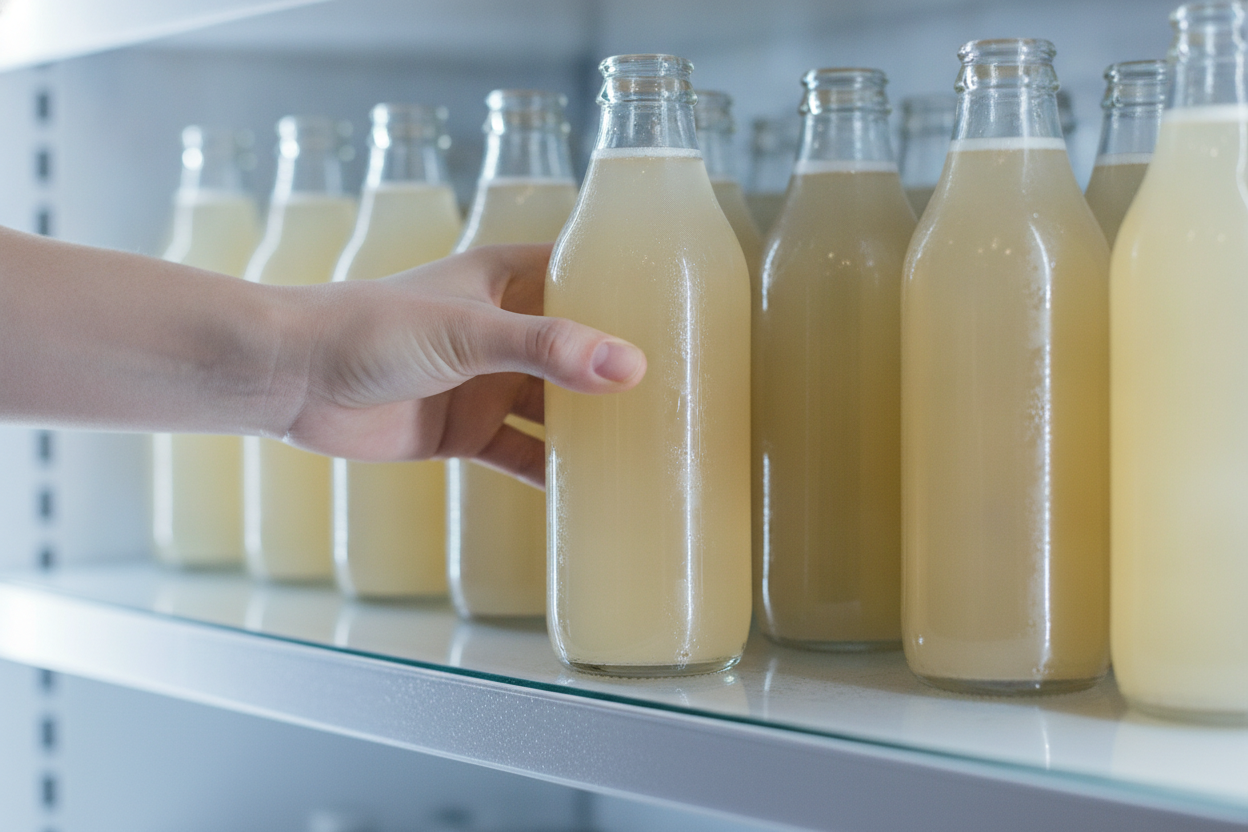
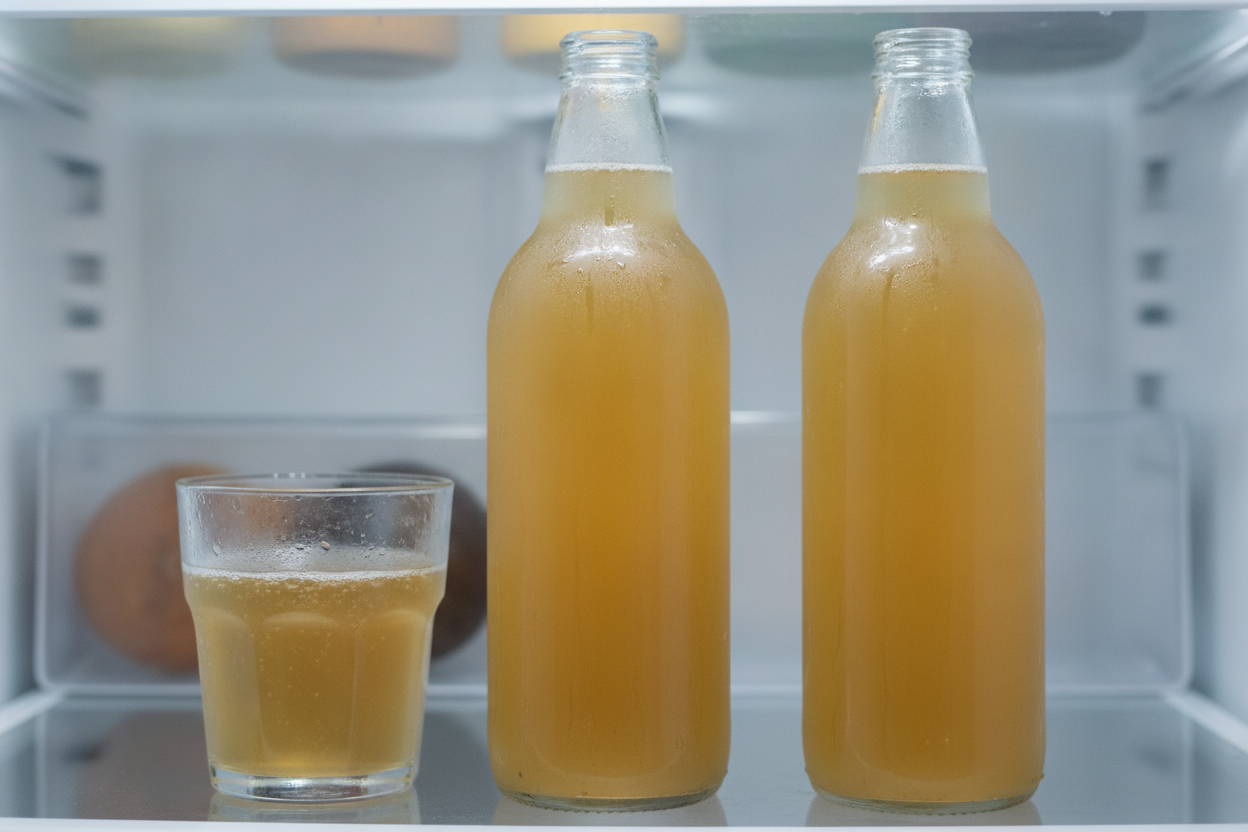
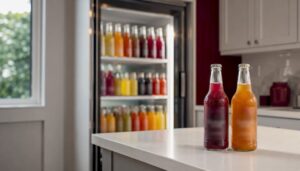
Whichever you choose, keep bottles in the fridge and serve them cold. Warmth keeps fermentation going, so a bottle left out can become fizzier and more sour. That is general fermentation reasoning and our own experience, not a measured figure.
If you only remember one thing from the craft beverage movement, remember that craft is a claim and the label is the evidence. Craft kombucha that earns the word will usually be happy to show you the date, the sugar and the ingredients, and the craft beverage movement is stronger when buyers expect that.
Common mistakes when shopping for craft kombucha
- Trusting the word "craft": read the label instead.
- Assuming small means low sugar: check the sugar per 100 ml.
- Ignoring the date: live drinks change over time.
- Leaving it warm: refrigerate quickly.
- Expecting a cure: the human evidence is limited.
Avoiding these five will help you more than learning brand names. The craft beverage movement gives you good questions to ask, and the label gives you the answers.
Questions to ask a craft kombucha maker
A maker who answers plain questions is easier to trust. These are the questions we would ask as a customer of the craft beverage movement.
- How long between bottling and delivery?
- Is it pasteurised, and is it kept cold the whole way?
- What is the sugar per 100 ml, and which tea is used?
- Does the label state alcohol, and is there any lab data?
- Is there a date on the bottle?
A maker who answers all five clearly is doing something right. A vague answer leaves you guessing about the craft kombucha you are paying for.
Aboocha: our own part in the craft beverage movement
Aboocha brews kombucha and jun tea in small batches in Singapore. These are our own statements and have not been audited by an independent party.
| Item | What we state |
|---|---|
| Live culture | Raw and unpasteurised |
| Delivery | Chilled; free island-wide cold-chain delivery on orders of $80 and above (about 12 bottles) |
| Sugar | Nutri-Grade A-B, about 1-3% sugar, per our nutrition panels |
| Alcohol | Under 0.5% ABV, our own stated figure |
| Ingredients | Vegan, no artificial sweeteners |
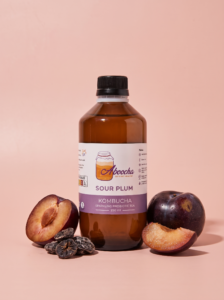
You can browse our kombucha in Singapore and jun tea in Singapore ranges or visit the shop. Flavours include Sour Plum and Yuzu Osmanthus. Because our drinks are raw, we suggest them for adults and older teens, not young children or during pregnancy.
What we checked and what we could not
- Checked: the 2019 systematic review and the 2022 laboratory study, read from the published abstracts and papers.
- Checked: the Nutri-Grade description, read from the Health Promotion Board page.
- Removed as unverified: claims copied from non-Singapore sources, packaging and CO2 figures, a "low sugar" threshold, and claims that craft kombucha is better for your gut.
- Our own statements: everything in the Aboocha table above.
This article is general information, not medical advice. Speak to a qualified health professional about your own circumstances.
Frequently asked questions
What is the craft beverage movement?
It is a preference for small-batch, independently made drinks with attention to ingredients and flavour. In kombucha it shows up as small brewers, local flavours and open labelling.
What does craft kombucha mean?
There is no single agreed definition, so it is a marketing term. It usually suggests small batches, an independent maker and real ingredients, but you should check the label.
Is craft kombucha better for your gut?
We cannot say so. A 2019 systematic review found one human study among 310 articles on kombucha. Enjoy it for taste, not as a treatment.
Is craft kombucha low in sugar?
Not automatically. Sugar varies by brand, so read the sugar per 100 ml on the nutrition panel and compare.
Does craft kombucha contain alcohol?
Yes, a little. A 2022 laboratory study detected ethanol in eight of nine products, up to 1.29% in one. Read the label.
Does Singapore require a Nutri-Grade label on kombucha?
The Health Promotion Board says the label is mandatory for grades C and D on pre-packaged beverages and excludes alcoholic beverages. Its page does not mention kombucha, so check with the seller.
Should craft kombucha be refrigerated?
Live, unpasteurised kombucha should be kept cold, because warmth keeps fermentation going. Check the shelf and ask online sellers how they deliver.
Is the craft beverage movement only about kombucha?
No. It began with beer and has spread to coffee, tea, spirits and other drinks. In kombucha it means small batches, independent makers and open labelling, though the word craft is not regulated.
How can I tell if a brand really follows the craft beverage movement?
Check the label and the maker. Look for a named maker and place, a date, clear ingredients, sugar per 100 ml and realistic claims. If a brand cannot answer plain questions, the word craft tells you little.
Is craft kombucha safe in pregnancy?
Ask your doctor. Raw, unpasteurised drinks are not suggested for pregnancy or young children.