The best sugary drinks to replace for teenagers are water, sparkling or fruit-infused water, unsweetened iced tea, low-fat milk, small servings of 100% fruit juice, and low-sugar fermented drinks like Aboocha kombucha. These swaps cut the added sugar, calories, and dental risk that come with soda, sweetened iced tea, and energy drinks, without asking a teenager to give up flavor or fizz. Most work because they replace the sweetness teens crave with real taste, carbonation, or a bit of tartness instead of straight syrup.
Here’s the shortlist to start with today:
- Plain or fruit-infused water
- Sparkling water (flavored, unsweetened)
- Unsweetened iced or hot tea
- Low-fat or fortified plant milk
- 100% fruit juice, limited to a small daily portion
- Low-sugar smoothies made with whole fruit
- Low-sugar kombucha, in moderation for older teens
Key Takeaways
Cutting added sugar from a teenager’s daily drinks works best through gradual, flavor-forward swaps rather than an abrupt ban on everything sweet.
| Point | Details |
|---|---|
| Water comes first | Make plain or infused water the default drink at meals and between them. |
| Cap juice and sugar | Keep 100% fruit juice to a small daily portion and free sugars under public-health limits. |
| Watch caffeine closely | Avoid energy drinks for kids and keep teen caffeine intake well under 100 milligrams a day. |
| Read labels fast | Compare grams of sugar per serving, not per bottle, before buying any drink. |
| Aboocha fits occasionally | Low-sugar kombucha like Aboocha works as an occasional treat for older teens, checked by label first. |
This article is general information, not a substitute for advice from a qualified doctor. Consult a qualified healthcare professional about your own circumstances before acting on anything here.
Table of Contents
- Why Sugary Drinks Are Worth Replacing for Teens
- Teen-Friendly Beverage Swaps With Real Serving Sizes
- Age-Specific Rules: Ages 5–11 vs. 12–18
- The Caffeine and Energy Drink Warning Parents Need
- How to Read Drink Labels in 10 Seconds
- Quick Low-Sugar Recipes Teens Will Actually Drink
- Getting Teens to Actually Accept the Swap
- Where Low-Sugar Kombucha Fits In
- A Parent’s Note on Making These Swaps Stick
- Try Aboocha as Your Teen’s Occasional Low-Sugar Treat
- Sources
- FAQ
Why Sugary Drinks Are Worth Replacing for Teens
Sugar-sweetened drinks are one of the easiest places to cut excess sugar from a teenager’s day, because they add calories without doing anything for hunger or nutrition. A systematic review of pediatric studies found that higher intake of sugar-sweetened beverages tracks with greater body weight and higher obesity risk in children and adolescents. That’s not one bad soda. It’s a pattern that builds over months of daily cans and bottles.
Public-health guidance backs this up with a number. The World Health Organization and pediatric nutrition groups recommend keeping free sugars well below 10% of daily energy intake, with some pediatric committees pushing for closer to 5%. A single 12-ounce soda can already eat up most of that budget for a younger child.
Then there’s the mouth. Frequent exposure to sugary, acidic drinks raises the risk of dental caries and enamel erosion in kids and teens, especially when a drink is sipped slowly over an hour instead of finished in five minutes. Sugary drinks also train the palate. The more often a teen drinks intensely sweet beverages, the sweeter their baseline expectation becomes, which makes water and unsweetened tea taste “boring” by comparison until that preference resets.
What tends to get missed: diet or “zero” sodas aren’t a clean fix either. Position statements caution against routine use of artificially sweetened drinks in children, since they can reinforce a preference for intense sweetness and often carry the same acids that erode enamel.
Teen-Friendly Beverage Swaps With Real Serving Sizes
Swapping out soda works better when the replacement has a specific size and a reason attached to it, not just a vague “drink water instead” instruction. Here’s what to put in the fridge or lunch bag.
Water-based options:
- Plain water with sliced citrus, cucumber, or berries, 12 to 16 ounces, served cold
- Unsweetened sparkling water with a splash of 100% juice for fizz without the sugar load
- Iced herbal tea (hibiscus, mint, chamomile), brewed strong and chilled, 12 ounces
Dairy and juice:
- Low-fat milk or a fortified plant milk, a moderate serving, works well alongside meals
- 100% fruit juice, limited to a small portion and diluted 1:1 with water or sparkling water to stretch the flavor without doubling the sugar
- Low-sugar smoothie made with whole fruit, a handful of spinach, and plain yogurt, served in a moderate portion size
Fermented and specialty options:
- Low-sugar kombucha, one 8-ounce serving, offered occasionally rather than daily
- Cold-brewed unsweetened black or green tea, sweetened lightly with fresh fruit instead of syrup
Temperature and texture matter more than most parents expect. A drink served ice cold with visible fruit or bubbles reads as a “treat” to a teenager even when it has a fraction of the sugar in soda. That’s the whole trick behind most successful low sugar drink alternatives: they borrow the sensory cues of a sweet drink (cold, fizzy, bright color) without the syrup.
Age-Specific Rules: Ages 5–11 vs. 12–18
Sugar limits and drink choices shift as kids grow, and treating a 7-year-old and a 16-year-old the same way backfires in both directions.
Ages 5 to 11:
- Water should be the default drink at meals and between them
- Limit 100% fruit juice to a small daily portion, diluted when possible
- Keep milk to standard age-appropriate portions rather than unlimited pours
- Skip sweetened flavored milks and energy drinks entirely
Ages 12 to 18:
- Water and unsweetened tea remain the daily baseline
- Fruit juice can stretch slightly but should still stay occasional, not a daily default
- Low-sugar kombucha or flavored sparkling water can enter the rotation as an occasional swap
- Caffeine needs a hard limit, covered in more detail below
The ESPGHAN committee recommends capping free sugar intake for kids and teens ages 3 to 18 at under 5% of daily energy, and names water as the primary drink kids should reach for, with unsweetened milk as the backup.
Pro Tip: Don’t ban a favorite sweet drink outright. Cutting a teen’s soda from daily to twice a week, while swapping the other days for sparkling water, tends to stick better than an all-or-nothing rule that invites rebellion.
The Caffeine and Energy Drink Warning Parents Need
Energy drinks don’t belong in a child’s or younger teen’s routine, and even older teens need a real caffeine ceiling. The combination of high caffeine and high sugar in most energy drinks stacks two problems on top of each other: a stimulant load a developing body handles poorly, and a sugar hit on top of it.
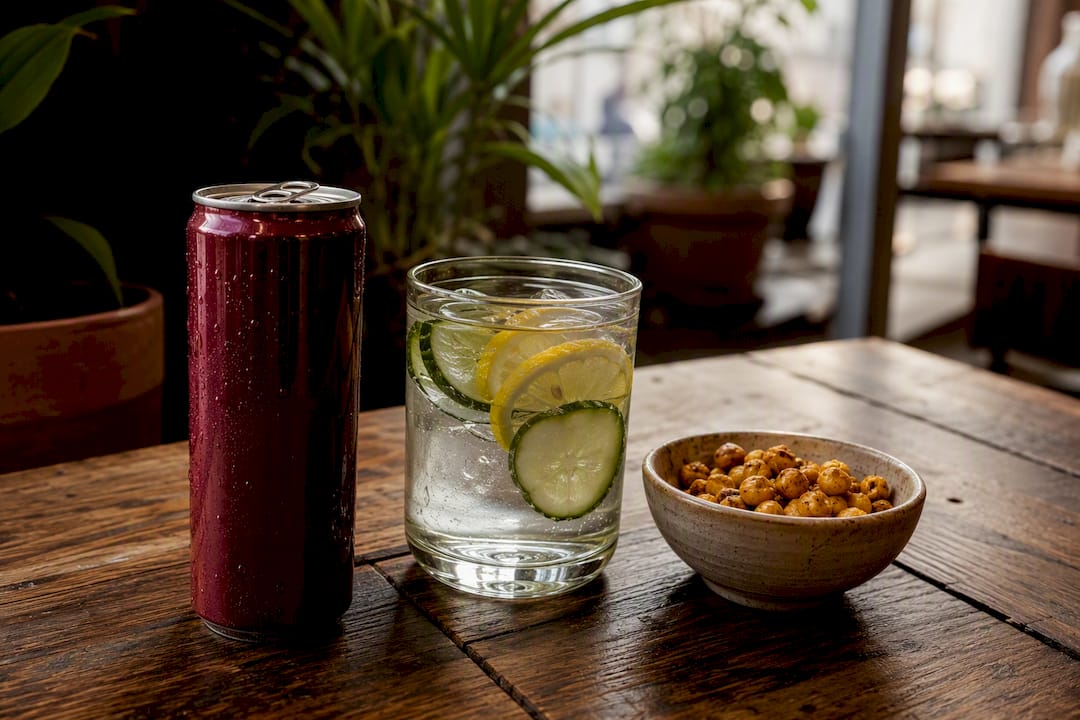
A rough guide many pediatric sources use: teens should stay under roughly 100 milligrams of caffeine a day, which is less than one typical energy drink can provide in a single serving. Kids under 12 shouldn’t have any regularly.
If a teen wants an energy boost, better options include a cold glass of water (mild dehydration mimics fatigue more often than people realize), a protein-rich snack, a short walk, or an unsweetened iced tea with a small, controlled amount of caffeine. Several caffeine-free alternatives to energy drinks rely on natural fizz and flavor instead of stimulant blends to deliver that same “wake up” feeling.
Pro Tip: Read the can. Some flavored waters and “sports” drinks marketed to teens quietly include caffeine. Check the label, not just the front-of-package claims.
How to Read Drink Labels in 10 Seconds
Start with three numbers: grams of sugar per serving, the actual serving size, and where sugar sits in the ingredient list. A can that lists “20g sugar” but has two servings inside it is hiding double the sugar a quick glance suggests.
Quick label checklist:
- Check grams of sugar per serving, not per bottle
- Confirm the actual serving size matches what your teen will drink in one sitting
- Scan the ingredient list. Sugar near the top (or listed under three or more names, like cane syrup, dextrose, and fruit concentrate) means it’s a bigger contributor than it looks
- Skip anything labeling itself “fruit drink” or “juice cocktail” instead of “100% juice”
Quick Low-Sugar Recipes Teens Will Actually Drink
These recipes swap syrup for real flavor, so the drink still feels like a treat.
- Berry mint water: muddled strawberries, a few mint leaves, sparkling water, 2 minutes prep
- Citrus cucumber infusion: sliced orange, lemon, and cucumber steeped in cold water for 1 hour
- Iced hibiscus tea: steep hibiscus tea bags, chill, add a squeeze of lime, 5 minutes active prep
- Green smoothie: spinach, banana, plain yogurt, splash of milk, blend 1 minute
- Ginger fizz: grated fresh ginger, lime juice, sparkling water, 3 minutes prep
Pro Tip: Balance sweetness with acid and spice instead of sugar. A squeeze of lime, a pinch of fresh ginger, or a splash of carbonation does more for flavor than another spoonful of sugar ever will.
For smoothies, keep portions to 8 to 10 ounces and watch the yogurt. Flavored yogurts can smuggle in as much added sugar as the fruit they’re meant to complement, so plain yogurt is the safer base.
Getting Teens to Actually Accept the Swap
The tactics that work best come down to choice, small steps, and modeling, not a hard rule handed down from above.
- Offer two or three acceptable options instead of a single mandated drink
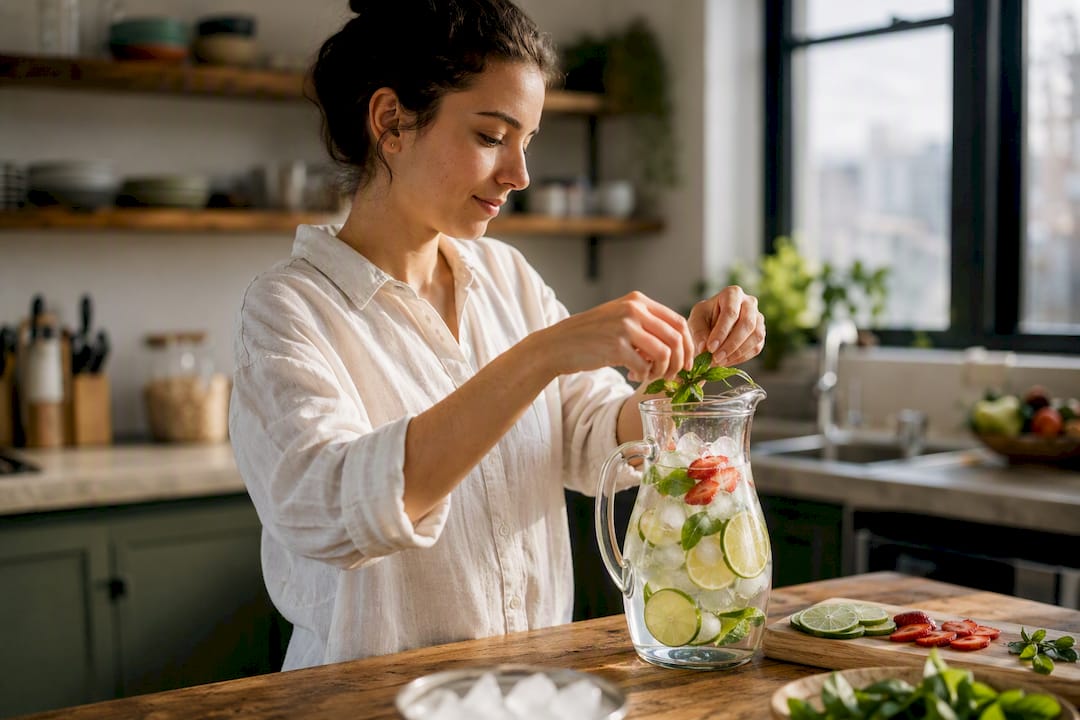
- Keep a pitcher of infused water visible and cold in the fridge at eye level
- Run a blind taste test between two low-sugar options and let your teen pick a favorite
- Cut sugar gradually, diluting juice a little more each week rather than switching overnight
- Let your teen help pick flavors and prep the drink themselves
Pro Tip: Turn it into a group activity. A flavor station with citrus, herbs, and berries at a party lets teens build their own drink, and peer buy-in beats a parental mandate every time.
Where Low-Sugar Kombucha Fits In
Low-sugar kombucha can work as an occasional alternative for older teens, but it comes with real caveats for younger kids. Aboocha’s approach centers on cutting the sugar load typical of many fermented drinks while leaning into bold flavors like Sour Plum and Yuzu Osmanthus, positioning it closer to a flavor-forward treat than a daily staple.
Before handing a bottle to a teenager, run through a short checklist: check grams of sugar per serving, confirm the carbonation level feels manageable, and scan the ingredient list for anything unfamiliar.
Kombucha contains live cultures and trace natural caffeine from its tea base. Older teens with parental guidance can handle an occasional bottle just fine, but it isn’t a routine drink for younger children, and it shouldn’t replace water as the daily default.
Parents weighing this option in more depth can read a full breakdown of kombucha safety for teenagers before adding it to the rotation.
A Parent’s Note on Making These Swaps Stick
What convinces me these swaps work isn’t the science alone. It’s how ordinary the changes are: a pitcher of infused water on the counter, a cold-brewed tea instead of a can, a smoothie a teen actually helped make. Small, visible defaults beat lectures every time. For more ideas to rotate through the week, our full library of low-sugar drink recipes is worth a look.
Try Aboocha as Your Teen’s Occasional Low-Sugar Treat
Aboocha gives parents a flavor-forward option that beats grabbing another can of soda from the fridge, without asking a teenager to settle for plain water every single time. Each bottle is brewed with a lower sugar content than typical sodas and many conventional kombucha brands, with flavors like Sour Plum and Yuzu Osmanthus built to feel like a genuine treat rather than a compromise.
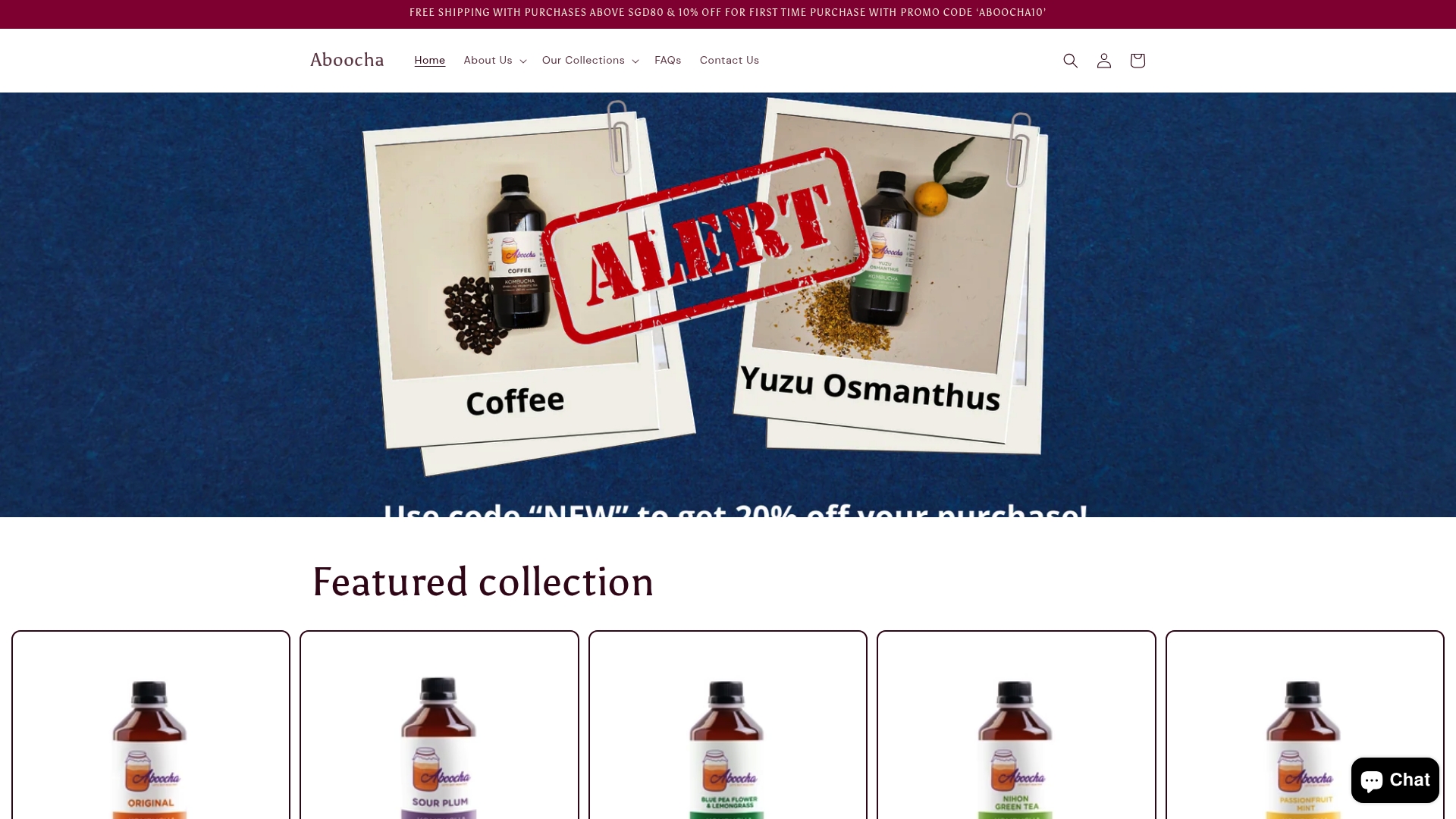
The honest way to introduce it: bring home one bottle, check the sugar grams per serving on the label together with your teen, and offer it as an occasional swap for an older teenager rather than a daily habit. If it’s a hit, the subscription plans make it easy to keep a rotation of flavors on hand without reordering every time the fridge runs dry. Start with a single bottle from Aboocha’s flavor lineup and see which one earns a permanent spot in the fridge.
Sources
- PubMed: association between sugar-sweetened beverage intake and obesity (systematic review/meta-analysis)
- NCBI PMC: guidance on sugar intake and public-health recommendations
- Paediatrie Schweiz: Zuckerkonsum bei Kindern und Jugendlichen — status quo und Empfehlungen
- PubMed: sugary drinks and dental outcomes in children
FAQ
What Can I Replace Sugary Drinks With?
Water, sparkling water, unsweetened tea, low-fat milk, small portions of 100% fruit juice, and low-sugar kombucha all work as direct swaps for soda and sweetened drinks.
What Are the Best Drinks for Teenagers to Drink?
Water should stay the daily default, with unsweetened tea, low-fat milk, and occasional low-sugar smoothies or kombucha rounding out a healthy rotation.
What Kind of Drinks Do Teenagers Like?
Teens tend to gravitate toward cold, fizzy, or brightly flavored drinks, which is why sparkling water with fruit, iced herbal tea, and flavor-forward low-sugar kombucha tend to land better than plain water alone.
How Much Juice Should Kids and Teens Drink Daily?
Younger children should stay around 4 to 6 ounces of 100% fruit juice a day, diluted when possible, while teens should treat juice as occasional rather than a daily staple.
Is Kombucha Safe for Teenagers?
Low-sugar kombucha can work as an occasional drink for older teens under parental guidance, but it isn’t recommended as a routine drink for younger children due to its live cultures and trace caffeine.