The quickest swap you can make today: replace your soda with unsweetened sparkling water, brewed iced tea, low-sugar kombucha, or tap water dressed up with citrus and herbs. Each one delivers flavor or fizz without the sugar load found in most standard soft drinks.
Here are the top ready-now options:
- Unsweetened sparkling water — zero sugar, full fizz, widely available at every Swiss supermarket
- Tap or mineral water with citrus or herbs — free, flavorful, and recommended by Promotion Santé Suisse as the default daily drink
- Brewed iced tea (unsweetened) — satisfying, caffeinated or not, and easy to make in batches
- Low-sugar kombucha — fizzy, fermented, and gut-friendly with far less sugar than most sodas
- Diluted 100% fruit juice — a transitional option; keep it to a small splash in sparkling water
Swiss public-health guidance targets a moderate daily amount of unsweetened beverages for adults, with tap or mineral water as the first choice.
Key Takeaways
Replacing sugary sodas works best when you match the swap to the craving — fizz, flavor, or caffeine — and step down sweetness gradually rather than cutting it all at once.
| Point | Details |
|---|---|
| Water comes first | Swiss guidance targets 1–2 liters of unsweetened fluids daily, with tap or mineral water as the top choice. |
| Check sugar per 100 ml | Aim for under 5 g per 100 ml; standard sodas average around 8–9 g per 100 ml in Switzerland. |
| Dilute juice, don’t replace soda with it | A 10–20% juice to mostly sparkling water ratio keeps sugar low while adding flavor. |
| Artificially sweetened drinks aren’t a free pass | Research suggests diet sodas may sustain sweet-taste preference, making the transition to unsweetened drinks harder. |
| Aboocha kombucha as a ready-made swap | Aboocha’s low-sugar, flavor-forward kombucha satisfies fizz and flavor cravings with less sugar than standard sodas. |
Table of Contents
- The best alternatives to sugary sodas for adults, explained
- How to pick the right swap for your craving
- Quick recipes you can make today
- What Swiss health guidance actually says
- Common pitfalls and when to ask a professional
- Why low-sugar, flavor-forward drinks make sense as a long-term swap
- Aboocha’s low-sugar kombucha fits right into this swap
- Sources
- FAQ
The best alternatives to sugary sodas for adults, explained
Standard sodas in Switzerland average around 8–9 g of sugar per 100 ml, according to the Swiss Federal Food Safety and Veterinary Office’s 2021 sweetened-beverage report. That’s roughly 8–9 teaspoons of sugar in a 250 ml glass. The options below all land well below that.
1. Tap water and mineral water
Switzerland has some of the cleanest tap water in the world. It costs nothing, contains zero sugar, and satisfies thirst better than any sweetened drink. Sparkling mineral water (Valser, Henniez, and similar Swiss brands) adds carbonation for those who miss the fizz. Both count toward your daily fluid target.
2. Infused water
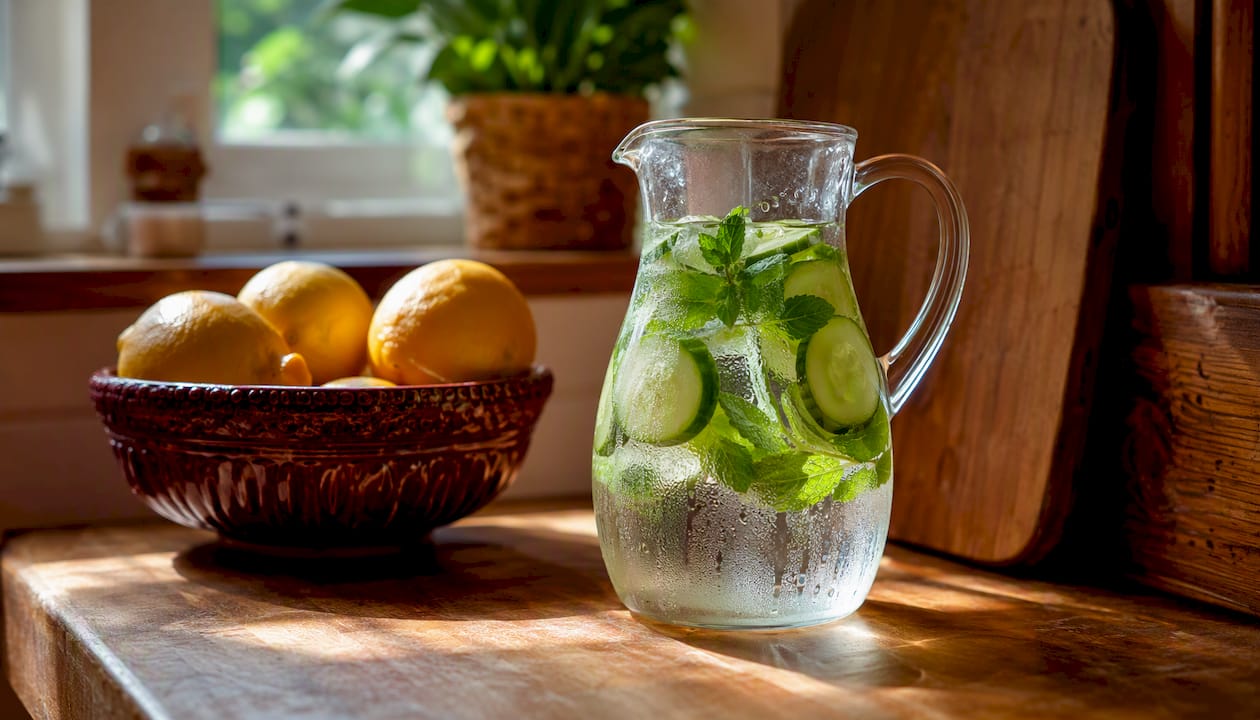
Drop a few slices of cucumber, a sprig of mint, or a wedge of lemon into a pitcher of cold tap water and refrigerate for 30 minutes. The flavor is subtle but real, and there’s no added sugar. Grated ginger or citrus zest intensifies the taste without sweeteners.
3. Unsweetened sparkling water
Plain carbonated water with no flavoring added is the most direct soda substitute for fizz cravings. Many Swiss retailers stock it in large bottles at low cost. Check the label: “no added sugar” and zero grams of sugar per 100 ml are what you want.
Pro Tip: Add a few drops of fresh lime juice and a pinch of sea salt to sparkling water for a flavor that mimics a light soda without any sugar.
4. Brewed iced tea
Black, green, white, or herbal — brewed and chilled unsweetened tea is one of the most versatile low sugar drink options available. Black and green teas provide caffeine for those who need a morning or afternoon lift. Herbal blends (hibiscus, rooibos, chamomile) are caffeine-free and naturally sweet-tasting. Sugar content: zero when brewed plain.
5. Cold brew coffee
Steep coarsely ground coffee in cold water for 12–18 hours, strain, and serve over ice. Cold brew is naturally less bitter than hot coffee, so many people drink it without sweetener. It delivers caffeine without the sugar of a flavored latte or energy drink.
6. Low-sugar kombucha
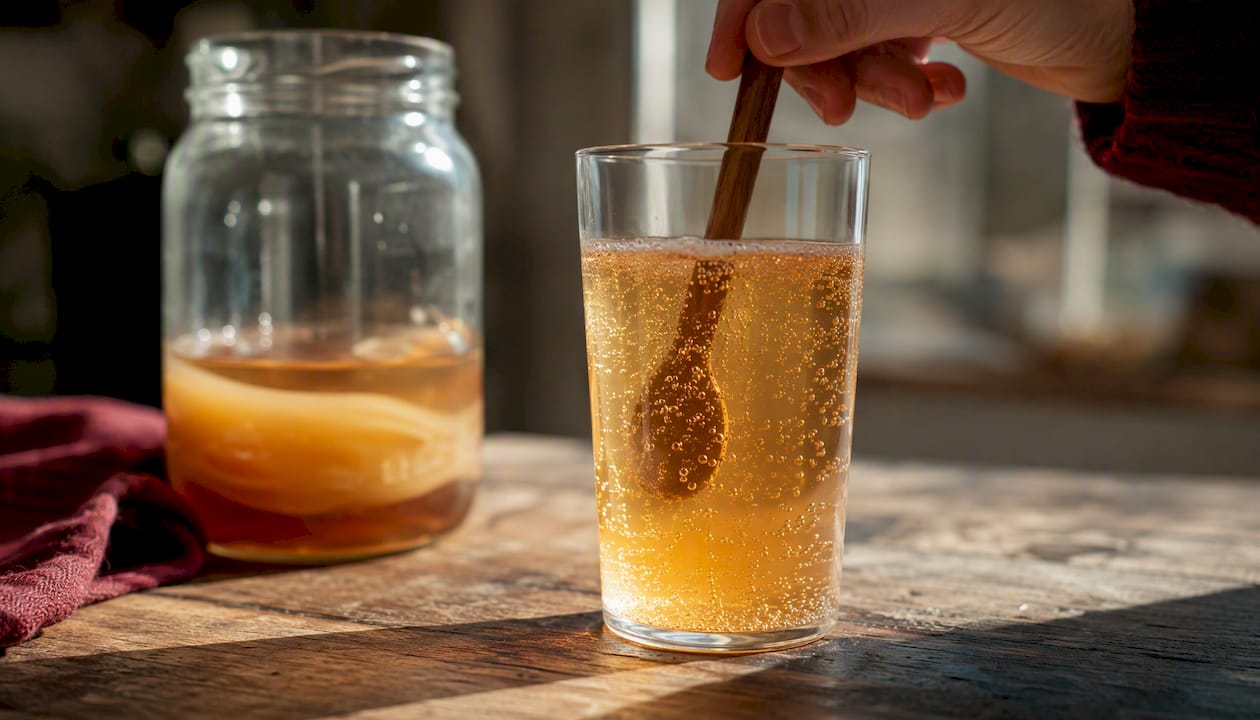
Kombucha is a fermented tea drink that’s naturally fizzy, slightly tart, and contains live cultures. A well-made kombucha sits at 2–5 g of sugar per 100 ml after fermentation, compared to the 8–9 g median in standard sodas. It satisfies the craving for something complex and bubbly, and the fermentation process contributes gut-health benefits that plain soda cannot. Always check the label, since some commercial kombuchas add sugar post-fermentation and end up closer to soda territory.
7. Coconut water
Unsweetened coconut water contains natural electrolytes and a mild sweetness from naturally occurring sugars, typically around 3–6 g per 100 ml depending on the brand and ripeness. It works well as a post-exercise drink for light activity. Read the label carefully: many packaged versions add sugar or concentrate, which pushes the count higher.
8. Diluted 100% fruit juice
Pure fruit juice without added sugar still contains free sugars at roughly 8–12 g per 100 ml, which is why the Swiss Federal Commission on Nutrition treats concentrated juice the same as added sugar. The fix: dilute it. Use it as a transitional drink, not a daily staple.
9. Flavored herbal teas (hot or iced)
Rooibos, hibiscus, peppermint, and fruit-blend herbal teas are naturally caffeine-free and often taste sweet without any sweetener added. Brew a large pot, chill it, and keep it in the fridge for the week. The flavor variety is wide enough that you rarely feel like you’re missing anything.
10. Low-sugar electrolyte drinks (for exercise)
For sessions longer than 60–90 minutes or high-intensity efforts, a low-sugar electrolyte drink can replace what you lose in sweat without the sugar spike of a sports drink. For lighter activity, plain water or diluted juice does the job. Check the label: aim for under 5 g of sugar per 100 ml and no artificial colors.
How to pick the right swap for your craving
The swap that sticks is the one that matches what you actually want from your soda. Follow these four steps:
- Identify the craving driver. Is it fizz? Caffeine? Sweetness? A ritual (something cold at 3 PM)? Naming it makes the swap obvious.
- Choose the matching category. Fizz craving → sparkling water or kombucha. Caffeine need → iced black tea or cold brew. Sweetness → diluted juice or a naturally sweet herbal tea. Ritual → any of the above, served the same way at the same time.
- Run a one-week test. Pick one swap and use it exclusively for seven days. Your palate adjusts faster than you expect, especially if you step down sweetness gradually rather than cutting it all at once.
- Adjust from there. If the swap feels too bland, add citrus zest or fresh herbs. If it’s still too sweet, dilute further. Small adjustments matter more than a perfect first choice.
What to check on a label
When you pick up a bottled drink, flip it over and look at the nutrition panel per 100 ml:
- Sugar (Zucker / sucres): aim for under 5 g per 100 ml; zero is best for daily drinks
- “No added sugar” claims: check the ingredient list anyway — fruit concentrate counts as free sugar
- Sweeteners (Süßungsmittel / édulcorants): aspartame, acesulfame-K, sucralose, and stevia are common; see the safety section below for context
- Ingredient red flags: “sucrose,” “glucose-fructose syrup,” “fruit juice concentrate” near the top of the list means the drink is sweeter than it looks
For a deeper breakdown of what added sugar labels actually mean, the guide to added sugar in drinks from Aboocha walks through the terminology clearly.
Quick recipes you can make today
Each recipe below takes under five minutes and requires no special equipment.
Citrus-ginger sparkling water: 250 ml sparkling water, juice of half a lime, 3 thin slices of fresh ginger. Steep the ginger in the water for 10 minutes, add lime juice, serve over ice. Zero added sugar.
Quick iced black tea with lemon: Brew 2 black tea bags in 500 ml of hot water for 4 minutes, remove bags, cool, pour over ice, add lemon slices. Batch this for the week. Caffeine: yes. Sugar: zero.
Kombucha mocktail: 150 ml low-sugar kombucha, 50 ml sparkling water, a few fresh mint leaves, ice. Stir gently. The carbonation from both liquids gives it a lively texture without any sweetener.
At this ratio, a 250 ml glass contains roughly 2–3 g of sugar total — a fraction of a standard soda.
Cucumber-mint cooler: 500 ml cold tap water, 6 thin cucumber slices, 8 fresh mint leaves. Refrigerate for 30 minutes. Refreshing, hydrating, and genuinely good.
Iced hibiscus tea: Steep 2 hibiscus tea bags in 500 ml of hot water for 5 minutes, sweeten with nothing, chill. Naturally tart and ruby-red, it feels like a treat.
Ginger-lemon hot infusion (served cold): Boil 500 ml of water with 5 slices of fresh ginger and the peel of half a lemon for 10 minutes. Strain, cool, serve over ice. Strong flavor, zero sugar.
Pro Tip: Use citrus zest instead of juice when you want flavor without acidity. Zest releases aromatic oils that make a drink taste more complex, and it won’t erode tooth enamel the way citric acid can.
What Swiss health guidance actually says
Swiss dietary recommendations from the Federal Food Safety and Veterinary Office (FSVO) place tap water and unsweetened herbal teas at the top of the beverage hierarchy for adults, with a reference intake of 1–2 liters of unsweetened fluids per day. Promotion Santé Suisse reinforces this, naming water as the healthy alternative to sugar-sweetened drinks and noting that liquid calories from sugary beverages provide little satiety and are rarely offset by eating less solid food.
Key points from Swiss public-health guidance:
- Water (tap or mineral) is the preferred daily drink for adults
- Unsweetened herbal and fruit teas are acceptable alternatives
- Artificially sweetened drinks are not recommended as a primary thirst-quencher
- Fruit juice, including 100% juice, counts toward free sugar intake and should be limited
On the evidence side, a systematic review links regular consumption of sugar-sweetened beverages with higher total energy intake and weight gain, which is the core reason public-health bodies push for reduction. A separate peer-reviewed review found that artificially sweetened drinks may sustain a preference for sweet tastes and could influence eating behavior, which is why public-health guidance in many countries steers toward truly unsweetened options rather than diet sodas as a long-term replacement.
Common pitfalls and when to ask a professional
Most of the swaps above are safe for healthy adults. A few traps are worth knowing before you shop.
Hidden sugar sources:
- Commercial “flavored waters” labeled “natural” often contain fruit concentrate or added sugar — check the label
- Vitamin waters and wellness drinks frequently carry 5–8 g of sugar per 100 ml
- Smoothies and cold-pressed juices can exceed soda in sugar per serving
- Energy drinks marketed as “sugar-free” may still contain stimulants that interact with medications
Acidity and tooth enamel: Citrus-infused sparkling water and kombucha are both acidic. Rinse with plain water after drinking them, and wait at least 30 minutes before brushing. Sipping through a straw reduces contact with enamel.
Pro Tip: If you drink acidic beverages regularly, schedule them with meals rather than sipping throughout the day. Saliva neutralizes acid more effectively when it’s not constantly challenged.
When to check with a clinician:
- Diabetes or blood sugar conditions: even naturally occurring sugars in coconut water or diluted juice can affect glucose levels; confirm choices with your doctor or dietitian
- Pregnancy: caffeine limits apply; some herbal teas (e.g., high-dose licorice root) are contraindicated
- Electrolyte imbalance after prolonged exercise: a sports medicine professional can advise on appropriate rehydration
- Immunocompromised individuals: fermented drinks like kombucha contain live cultures and small amounts of alcohol from fermentation; consult a clinician before regular use
Why low-sugar, flavor-forward drinks make sense as a long-term swap
The conventional advice to “just drink more water” is correct but incomplete. For habitual soda drinkers, plain water rarely satisfies the craving for something complex, fizzy, or slightly sweet. That gap is exactly where most people fall back on soda.
What actually works is matching the sensory experience of soda while stepping down the sugar. Fermented drinks like kombucha do this better than most alternatives because they deliver carbonation, a layered flavor profile, and a slight tartness that engages the palate the same way soda does. The difference is that a well-made, low-sugar kombucha achieves that without the sugar spike. Public-health guidance is right to put water first, but for the moments when water genuinely won’t cut it, a fizzy fermented drink is a far better bridge than a diet soda. The research on artificially sweetened beverages suggests they sustain sweet-taste preference rather than reducing it, which makes the transition to unsweetened drinks harder, not easier.
The most durable swaps are the ones that feel like an upgrade, not a punishment.
Aboocha’s low-sugar kombucha fits right into this swap
Cutting soda is easier when you have something genuinely satisfying to reach for. Aboocha’s ready-to-drink kombucha delivers the fizz and flavor complexity that plain sparkling water can’t match, with a lower sugar content than standard sodas. Flavors like Sour Plum and Yuzu Osmanthus are built for adults who want something interesting in a bottle, not just something sweet.
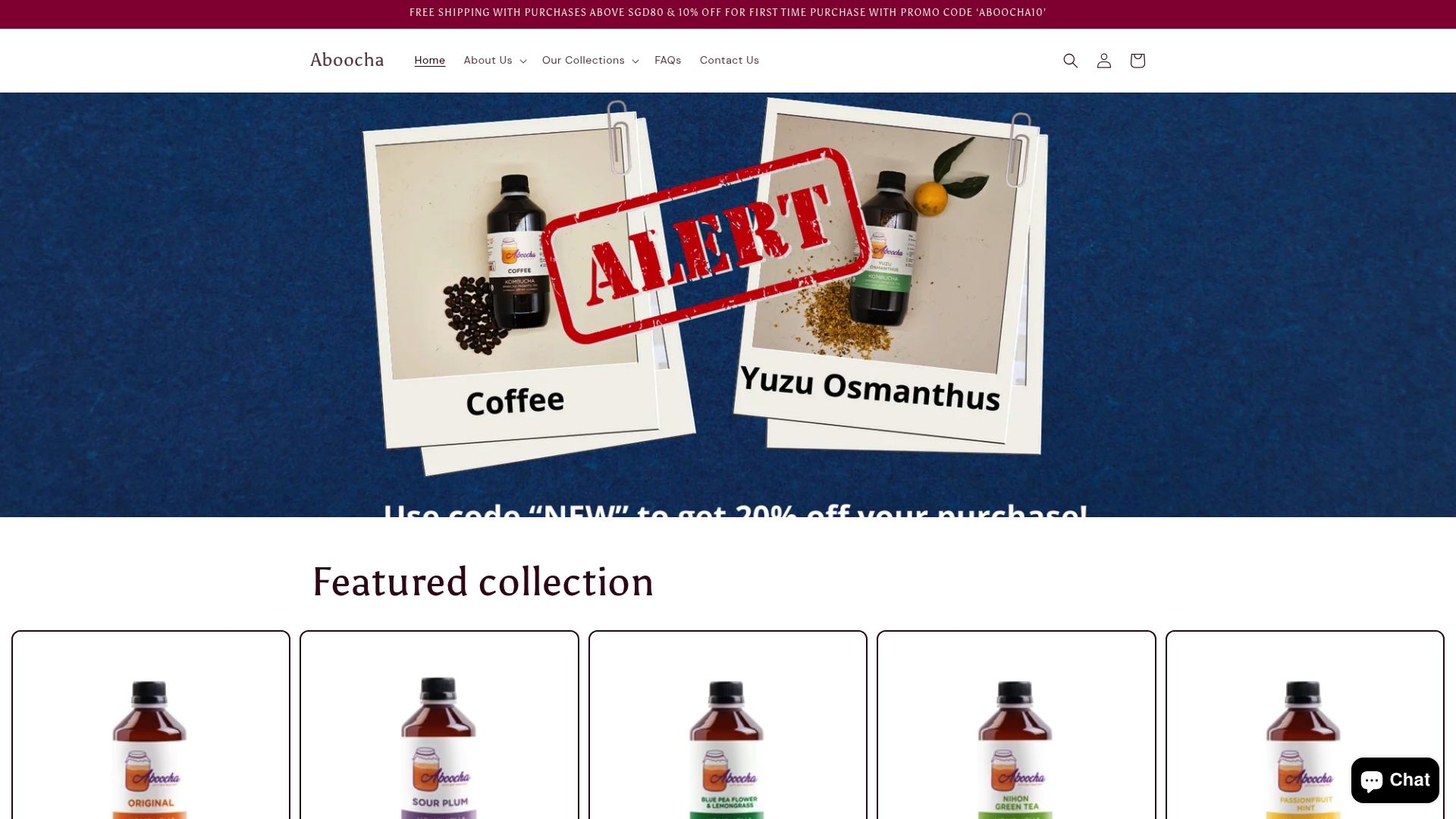
Aboocha ships directly to your door on a subscription or single-order basis, so you can keep a steady supply without hunting for it in stores. If you have specific dietary needs, check the sugar per 100 ml on each product page before ordering. Browse the full range and start your first order at Aboocha’s online store. For more on how healthy eating and drinking habits travel with you, Wild Foodz has practical tips worth reading before your next trip.
Sources
This article is general information, not a substitute for advice from a qualified doctor. Consult a qualified healthcare professional about your own circumstances before acting on anything here.
FAQ
What is a good replacement for sugary drinks?
Unsweetened sparkling water, brewed iced tea, and low-sugar kombucha are the most practical daily replacements. Each delivers flavor or fizz without the 8–9 g of sugar per 100 ml found in standard sodas.
What should I drink when I’m craving soda?
Is diet soda a safe alternative to sugary soda?
Public-health guidance does not recommend artificially sweetened drinks as a primary thirst-quencher. Research suggests they may sustain a preference for sweet tastes, which can make transitioning to truly unsweetened beverages harder over time.
What can I replace my soda with at home?
Each costs less than a bottled soda and contains a fraction of the sugar.