Local fermented beverages Singapore are a mixed group: kombucha and jun tea, kefir, water kefir and other cultured drinks, made here or sold here. This guide to local fermented beverages Singapore explains what the main types are, what the evidence for their health claims does and does not show, and how to read a label.
We brew kombucha and jun tea in Singapore, so we are not neutral. We separate verified facts from our own statements, and we leave out claims we could not check.
TL;DR: Local fermented beverages Singapore include kombucha, jun tea, kefir and water kefir. Human evidence for their health benefits is still limited, so enjoy them for taste and variety and not as a treatment. Choose refrigerated, dated, clearly labelled bottles, check the sugar per 100 ml, and ask a doctor first if you are pregnant, immunocompromised or on medication.
Table of contents
What counts as local fermented beverages Singapore?
A fermented drink is made by letting microbes such as bacteria and yeast work on sugars in a liquid. The result is usually tangy, sometimes lightly fizzy, and often contains a little acid and a trace of alcohol. Local fermented beverages Singapore are the ones brewed here or sold chilled in the local market.
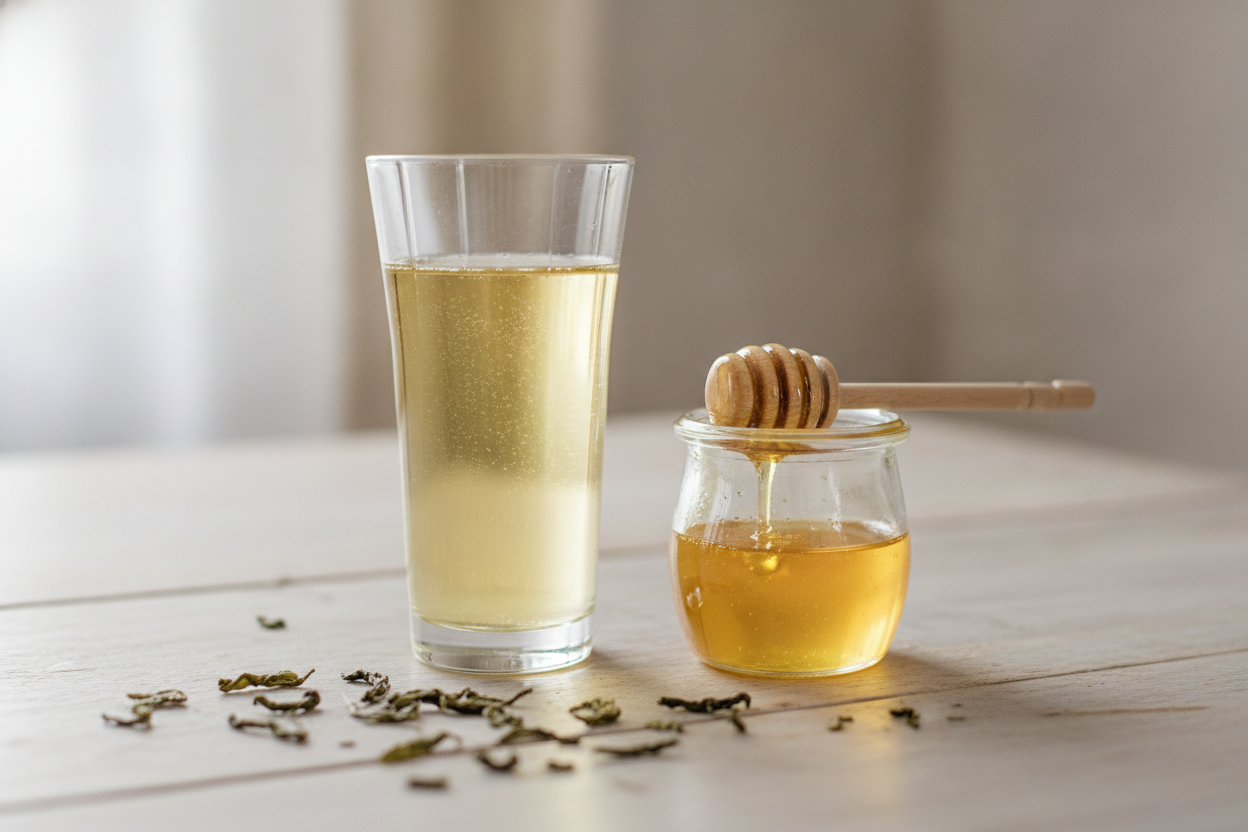
The best-known are kombucha and jun tea, which are fermented sweetened tea. Others you may see include milk kefir, a fermented dairy drink, and water kefir, which uses sugar water or another base instead of milk. We do not have reliable figures for how many local brewers make each type, so we will not claim a size for the scene.
The main types of local fermented beverages Singapore
| Type | What it is | What to check |
|---|---|---|
| Kombucha | Fermented sweetened tea, usually black or green | Live or pasteurised, sugar per 100 ml, date, cold storage |
| Jun tea | Fermented green tea and honey | Same checks, plus honey in the ingredient list |
| Milk kefir | Fermented milk drink | Dairy content, allergens, cold storage |
| Water kefir | Fermented sugar-water or similar base | Ingredients, sugar, storage |
Each of these local fermented beverages Singapore is different in taste and in what it contains, so one rule does not fit all. Our guides on what kombucha is and jun tea go deeper on the two we brew.
Gut health: what the evidence does and does not show
Fermented drinks are often promoted for gut health, but the strength of the evidence depends on the drink. For kombucha, a 2019 systematic review of human evidence on kombucha reviewed 310 articles and found one study reporting empirical results in human subjects. It called for human clinical trials to test the claims made in laboratory and animal work.
For fermented foods in general, there is observational research. One cross-sectional analysis of 440 Swiss adults looked at links between fermented food intake and cardiometabolic markers. It is a cross-sectional study, which can show associations but cannot show that fermented foods cause a benefit, and it studied Swiss adults, not people in Singapore.
So we cannot give you a number of drinks to take, a "billion CFU" target or a promise about immunity or weight. The old version of this article quoted a clinical benchmark that we could not verify, so we removed it. If you want to improve your diet for gut health, a doctor or dietitian is a better guide than a bottle label.
How to choose quality local fermented beverages Singapore
Quality is mostly about what you can read and verify. Use this checklist on any bottle, whether it is kombucha, jun tea or kefir.
- Live or pasteurised: heat treatment stops the cultures, so look for "unpasteurised" or "live cultures" if that matters to you.
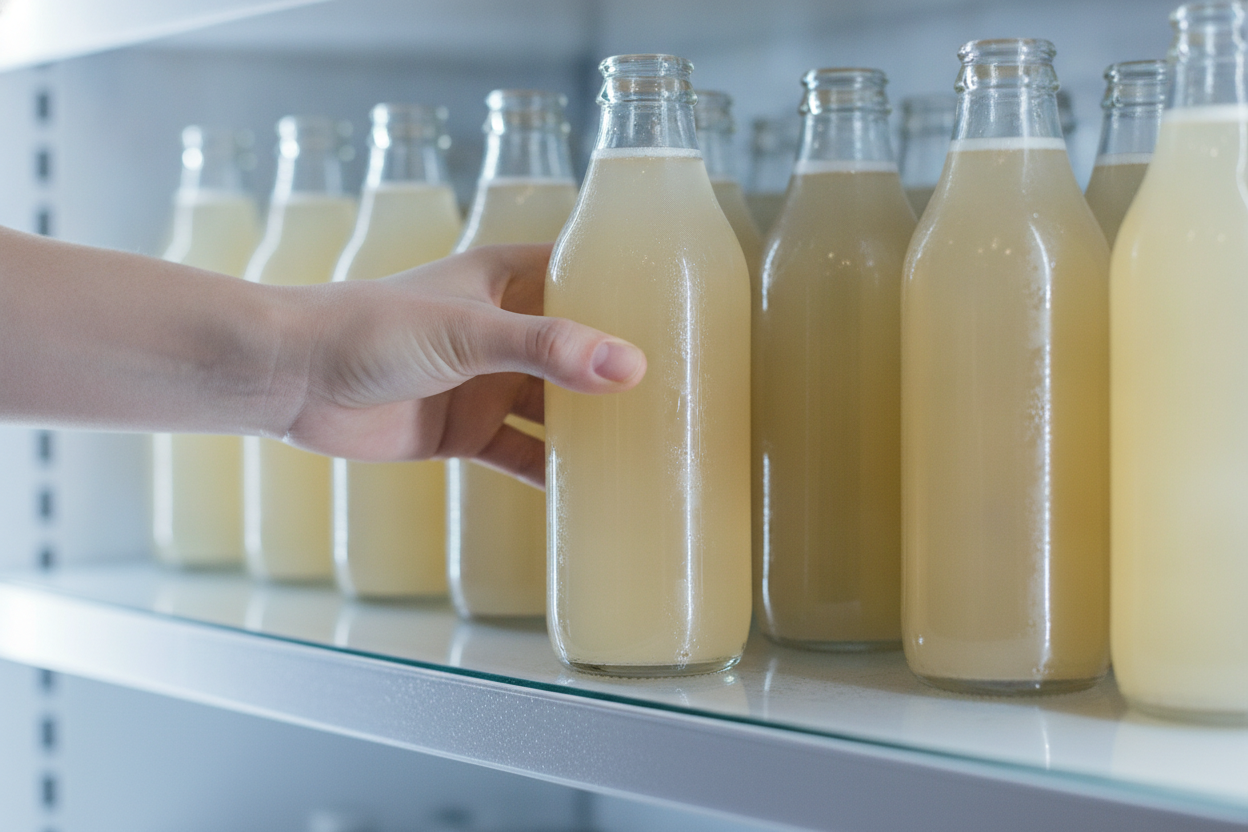
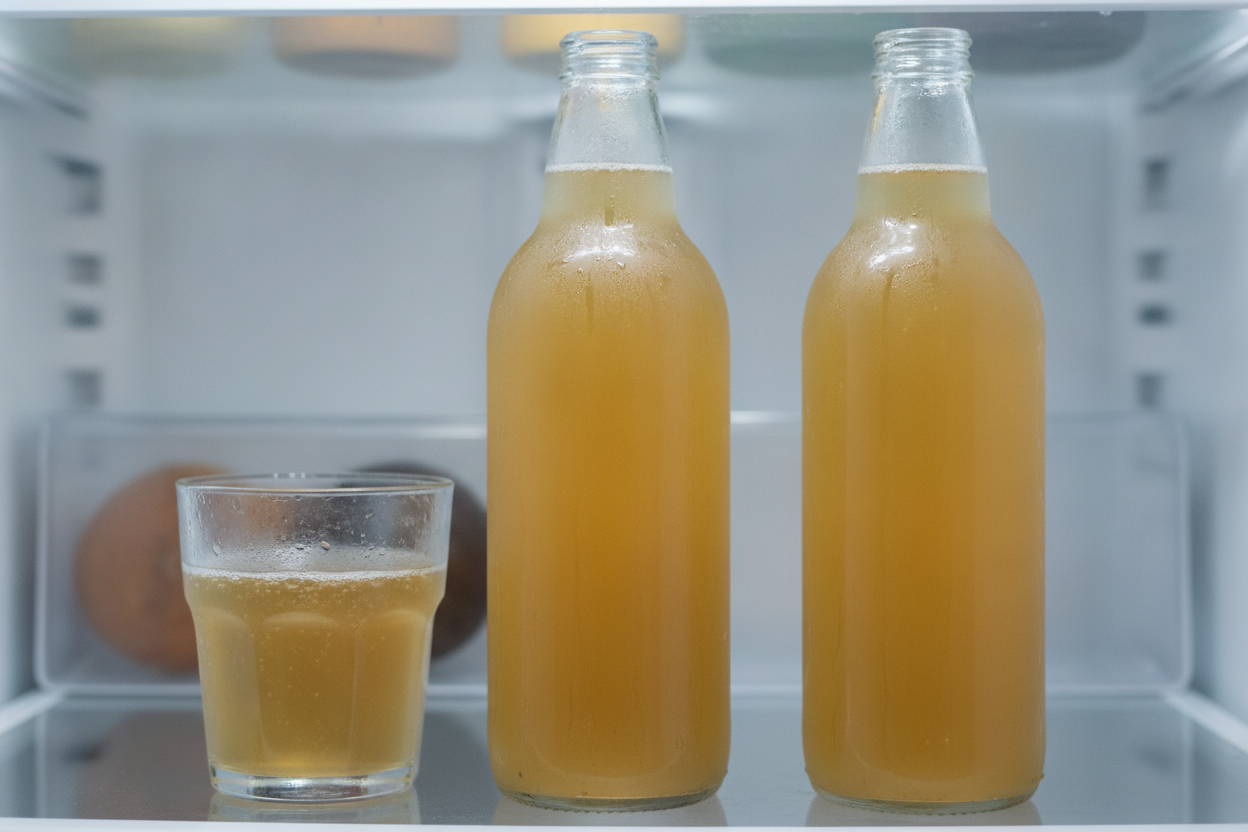
- Cold storage: a live product should be sold chilled, and you should keep it cold at home.
- A readable date: a bottling or best-before date tells you how long it has been sitting.
- Sugar per 100 ml: read the nutrition panel and compare brands on the same unit.
- A short ingredient list: tea, sweetener, culture and named flavourings.
- Honest alcohol wording: fermentation produces ethanol, so be wary of "alcohol-free" without detail.
The Health Promotion Board describes Nutri-Grade as a mandatory nutrition label for beverages sold in Singapore, with grades A to D. According to its page, labelling is mandatory for grades C and D, and alcoholic beverages are excluded. It does not mention fermented drinks, so we cannot say how a given kombucha is classified. Read the sugar figure yourself.
What is actually in them? Alcohol, caffeine and sugar
A 2022 laboratory study of nine commercial kombucha products measured the contents of nine commercial products. It detected ethanol in eight of nine, up to 1.29% in one. It also found a wide spread in caffeine and tea compounds. That is one study of nine products, so it does not describe every bottle, but it shows why labels matter for local fermented beverages Singapore as much as anywhere.
Our guides on kombucha and alcohol and kombucha caffeine go through the numbers. If you avoid alcohol or caffeine, read the label and ask the seller.

Why people choose local fermented beverages Singapore over soft drinks
We do not have survey data we can cite, so this is based on what customers tell us, and it is our observation and not a statistic. The most common reasons are simple.
- Less sugar: many people want a tangier drink with less sweetness than a typical soda, although you must read the label because sugar varies.
- Variety: tea, fruit and flower flavours give more choice than a standard cola.
- Curiosity: some people just want to try something fermented.
- Convenience: chilled bottles can be delivered to the door.
None of these is a health claim. They are reasons people give for trying local fermented beverages Singapore brewers sell, and they are a fair starting point for deciding whether these drinks suit you. If a drink does not agree with you, stop and speak to a doctor.
It also helps to remember that these drinks are a small part of a diet. A balanced diet with plenty of fibre matters far more than any single bottle, and no fermented drink replaces medical advice or treatment for a condition.
Who should be careful with local fermented beverages Singapore
Raw, unpasteurised drinks are live foods, and they are not right for everyone. Ask a doctor first if any of these apply to you.
- Pregnant or breastfeeding: see kombucha and pregnancy.
- On medication: see kombucha and medication.
- With a weakened immune system or a digestive condition: ask your doctor first.
- Allergic to milk: avoid milk kefir and check labels on any blended product.
- Young children: we do not suggest raw drinks. See kombucha for kids.
Local or imported fermented drinks?
Imported drinks spend days or weeks in transit, which is a risk for a live, temperature-sensitive product. Local drinks usually travel less. That helps, but it does not make a local product better by default, because a local bottle can still sit warm on a shelf. Our post on local vs imported kombucha sets out what to look for.
The old version of this article claimed that local producers use fresher ingredients as a rule. We cannot back that up, so we have replaced it with checks you can make yourself: the date, the storage and the label.
Storing local fermented beverages Singapore's heat
Singapore is hot and humid all year, and live drinks keep fermenting slowly. Warmth speeds that up, so a bottle left out can get fizzier and more sour. This is general fermentation reasoning and our own experience, not a measured figure.
Keep bottles in the fridge, open them gently, and drink them within a few days of opening. A little sediment is normal for an unpasteurised drink. If a bottle smells off or looks wrong, do not drink it.
Making fermented drinks at home
Many readers ask about making local fermented beverages Singapore at home. The old version of this article gave steps and timings. We removed them because we cannot verify that they are safe, and fermentation safety depends on hygiene, acidity and temperature.
If you want to try, follow a reputable, tested guide from a food-safety source, keep everything very clean, and discard anything that looks or smells wrong. Warm weather speeds fermentation, so check often. For most beginners, tasting a few bought bottles first is an easier way to learn what a good drink tastes like.
Common mistakes with local fermented beverages Singapore shoppers make
Most disappointing bottles come from a few avoidable mistakes. Knowing them makes it easier to choose local fermented beverages Singapore shelves and online stores offer.
- Trusting the front of the bottle: words like "probiotic" or "natural" are not a substitute for the label.
- Ignoring the date: live drinks change over time, so an old bottle can taste very different from a fresh one.
- Leaving it warm: heat keeps fermentation going, so refrigerate quickly.
- Expecting a cure: the human evidence is limited, so buy for taste.
- Assuming all types are alike: kombucha, jun tea and kefir differ in ingredients and in who should avoid them.
Avoiding these five will do more for you than memorising brand names. Local fermented beverages Singapore buyers enjoy most are usually the ones they chose by reading the back of the bottle.
Questions to ask a seller of local fermented beverages Singapore
A seller who answers plain questions is easier to trust. These are the questions we would ask as a customer.
- How long between bottling and delivery?
- Is it pasteurised, and is it kept cold the whole way?
- What is the sugar per 100 ml, and what is the base?
- Does the label state alcohol, and is there any lab data?
- Is there a date on the bottle?
- Does it contain milk, honey or other common allergens?
A seller who answers all six clearly is doing something right. A vague answer does not make a brand bad, but it leaves you guessing about the local fermented beverages Singapore sellers are asking you to pay for.
Where to buy local fermented beverages Singapore has on offer
You can find fermented drinks in supermarkets, specialty shops, cafes and from brewers who sell online. We have not tested every seller and do not name others, because we cannot verify their claims. Here is what to check in each place.
| Where | What to check |
|---|---|
| Supermarkets and shops | Is it in the chilled section? Can you read the date and sugar? |
| Cafes and bars | Is it bottled or on tap? Is it pasteurised? |
| Online brewers | How long from bottling to your door? Is it delivered cold? |
| Markets and pop-ups | Is there a label with ingredients, a date and a way to contact the maker? |
If you only remember one thing, remember to check the date. Fresh local fermented beverages Singapore brewers bottle can taste quite different from the same drink weeks later.
A simple way to compare local fermented beverages Singapore
Chill two or three drinks to the same temperature, pour small glasses, and taste before you read the labels. Look at the fizz, smell, then sip. Ask whether it is balanced between sweet and sour, whether the base (tea, milk or water) comes through, and whether you would want a second glass.
- Compare one kombucha with one jun tea to taste the difference between black-tea and green-tea-and-honey bases.
- Rinse your mouth with water between samples.
- Note the sugar and date on each label afterwards.
For ideas, you could try Original and Jun Original side by side. For a wider look at drinks with live cultures, see our guide to probiotic drinks in Singapore.
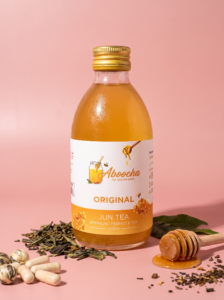
Aboocha: our own contribution to local fermented beverages Singapore
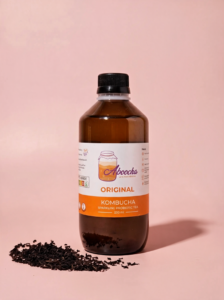
Aboocha brews kombucha and jun tea in small batches in Singapore. These are our own statements and have not been audited by an independent party.
| Item | What we state |
|---|---|
| Live culture | Raw and unpasteurised |
| Delivery | Chilled; free island-wide cold-chain delivery on orders of $80 and above (about 12 bottles) |
| Sugar | Nutri-Grade A-B, about 1-3% sugar, per our nutrition panels |
| Alcohol | Under 0.5% ABV, our own stated figure |
| Ingredients | Vegan, no artificial sweeteners |
Browse our kombucha in Singapore and jun tea in Singapore ranges, or go to the shop. Because our drinks are raw, we suggest them for adults and older teens, not young children or during pregnancy.
What we checked and what we could not
- Checked: the 2019 systematic review, the 2022 laboratory study and the Swiss cross-sectional paper, read from the published abstracts.
- Checked: the Nutri-Grade description, read from the Health Promotion Board page.
- Removed as unverified: a "billion CFU" benchmark, claims about local producers and ingredients, kvass availability, and homebrewing steps.
- Our own statements: everything in the Aboocha table above.
This article is general information, not medical advice. Speak to a qualified health professional about your own circumstances.
Frequently asked questions
What are local fermented beverages Singapore?
Drinks made by microbial fermentation and sold in Singapore, mainly kombucha, jun tea, kefir and water kefir. They are usually tangy, and some are lightly fizzy.
Are fermented drinks good for gut health?
Evidence is limited. A 2019 review of kombucha found one human study among 310 articles, and a Swiss cross-sectional study can show associations but not cause. Enjoy them for taste, not as a treatment.
Do fermented drinks contain alcohol?
Yes, a little. A 2022 laboratory study detected ethanol in eight of nine kombucha products, up to 1.29% in one. Read the label.
How should I store fermented drinks?
Keep live drinks in the fridge and serve them cold. Warmth keeps fermentation going. Once opened, drink them within a few days.
Is local better than imported?
Not automatically. Local drinks usually travel less, which helps a live product, but you should still check the date, storage and label.
Are fermented drinks safe in pregnancy?
Ask your doctor. Raw, unpasteurised drinks are not suggested for pregnancy or young children.
What does Nutri-Grade mean?
It is a mandatory nutrition label for beverages with grades A to D, per the Health Promotion Board. It is mandatory for grades C and D, and the page does not mention kombucha.
Can I make fermented drinks at home?
Some people do, but fermentation safety depends on hygiene and acidity. Follow a tested guide from a food-safety source and discard anything that looks or smells wrong.