Kombucha may help some people with IBS, particularly those with constipation-predominant symptoms (IBS-C), but it can just as easily trigger bloating, reflux, or cramping in others. The strongest evidence so far comes from a small pilot trial showing improved stool frequency after ten days of a specific inulin-enriched, pasteurized kombucha. Given the real risks from carbonation, residual alcohol, sugar, and FODMAPs, the smart move is a small, monitored trial or a conversation with your clinician before making it a habit.
TL;DR:
- A small pilot study suggests that inulin-enriched, pasteurized kombucha may improve stool frequency and consistency in women with constipation-predominant IBS over ten days.
- Benefits are limited to short-term, female-only participants consuming specific formulations; broader effects on other IBS types or longer periods remain unproven.
- The fermentation ingredients, such as organic acids and added inulin, may support gut motility but also pose risks like reflux, gas, or bloating depending on individual sensitivity and dose.
- Commercial, pasteurized, lower-sugar kombucha is safer for IBS testing than homebrew, but carbonation and residual alcohol can still trigger symptoms in sensitive individuals.
- Conducting a monitored, gradual trial with small servings and thorough symptom tracking remains the best way to determine personal response before regular consumption.
Table of Contents
- Is Kombucha Good for IBS? What the Evidence Actually Says
- How Kombucha Might Help or Hurt: The Ingredients That Matter
- FODMAPs, Sugar, and Alcohol: How to Choose a Serving Size
- Who Should Avoid Kombucha or Stop It Right Away
- A Safe Trial Protocol: How to Test Kombucha for Your IBS
- Pasteurized vs. Homebrew: Which Kombucha Is Safer for IBS?
- Why a Cautious, Evidence-Led Approach Matters
- Ready to Test Kombucha the Low-Sugar Way?
- Key Studies and Guidance Worth Reading Next
- Sources
- FAQ
Is Kombucha Good for IBS? What the Evidence Actually Says
The best data on kombucha for IBS comes from a 2023 pilot randomized study, not from decades of research. Researchers gave women with constipation-predominant IBS a daily serving of an inulin-enriched, pasteurized kombucha drink for a period of days. The results were encouraging for that specific group: participants saw increased stool frequency and improved stool consistency, with no meaningful rise in bloating or abdominal pain compared to the control group. The study is registered under trial number NCT05164861.
A related short-term safety report on the same type of pasteurized, inulin-enriched beverage backed this up, finding good tolerability and a low rate of adverse events in people with constipation. That matters because it suggests the formulation, not just the fermentation process, drove the benefit.
Before you get too excited, look at what the trial didn’t test:
- Only 10 days of consumption, not weeks or months.
- Female participants only, so results may not generalize.
- A specific enriched, pasteurized product, not a random bottle off a shelf.
- No data on IBS-D (diarrhea-predominant) or mixed-type IBS.
Broader reviews of fermented foods and IBS show mixed, inconsistent results across different products and study designs, which lines up with what you’d expect from a young research area. The NHS’s guidance on IBS reflects this reality: dietary triggers are individual, and no single food fixes IBS across the board. The honest takeaway is that kombucha, specifically the enriched kind studied, showed a real short-term benefit for constipation symptoms. It has not been shown to help IBS-D, and it’s far from a universal fix.
How Kombucha Might Help or Hurt: The Ingredients That Matter
Kombucha isn’t one thing. It’s a mix of organic acids, sugar, sometimes alcohol, sometimes added fiber, and a variable dose of live microbes, and each of those components pulls in a different direction for IBS symptoms.
The organic acids produced during fermentation, mainly acetic and gluconic acid, may increase gut motility and change how water moves through the colon. That’s a plausible mechanism behind the constipation relief seen in the pilot trial, though it hasn’t been proven in isolation.
Inulin, the prebiotic fiber added to the studied kombucha, is a double-edged ingredient. It can genuinely ease constipation by feeding beneficial gut bacteria and softening stool, but in higher doses it’s also a well-known trigger for gas and bloating in people with sensitive digestive systems. The moderate dose used in the inulin-enriched trial formulation appears to have avoided that tradeoff, which suggests dosage matters more than the ingredient itself.
Kombucha’s key variables and their likely IBS impact:
| Component | Possible benefit | Possible risk |
|---|---|---|
| Organic acids | May support motility | Can worsen acid reflux |
| Inulin (added fiber) | Eases constipation at moderate doses | Gas and bloating at high doses |
| Live microbes | Uncertain probiotic effect | Minimal if pasteurized |
| Carbonation | None | Bloating, gas, distension |
| Residual alcohol/caffeine | None | Gut irritation, reflux |
Live cultures are the biggest wild card. Many commercial kombuchas are pasteurized specifically to stabilize shelf life, which kills most of the bacteria responsible for any probiotic effect. If a bottle doesn’t list itself as raw or live, don’t assume you’re getting a meaningful dose of active cultures. Carbonation, meanwhile, is one of the most consistent complaints among IBS patients regardless of what’s fermenting in the bottle. It stretches the gut with gas, and for anyone prone to bloating, that alone can undo any benefit from the acids or fiber.
FODMAPs, Sugar, and Alcohol: How to Choose a Serving Size
Kombucha’s FODMAP content isn’t fixed. It depends on ingredients, fermentation time, and serving size. Monash University’s FODMAP researchers note that kombucha can contain fructans, the same fermentable carbohydrate family that triggers symptoms in many IBS patients, and that portion size is often what separates a tolerable serving from a triggering one.
Here’s a practical way to approach your first taste:
- Start small. Pour a small serving, not a full bottle, especially on your first try.
- Pair it with food. Drinking kombucha on an empty stomach increases the odds of reflux or cramping in sensitive people.
- Check the sugar count. Look for grams of sugar per serving on the label; lower-sugar formulas reduce osmotic load in the gut.
- Confirm pasteurization status. “Pasteurized” or “shelf-stable” usually means fewer live microbes and more predictable alcohol content than “raw” or “unpasteurized.”
- Note the ethanol percentage. Kombucha ferments naturally and can contain trace to moderate alcohol, even when labeled non-alcoholic.
Pro Tip: Drink your test serving in the early afternoon, not right before bed. If it does cause bloating or reflux, you’ll notice within a couple of hours instead of losing sleep over it.
Added prebiotics like inulin or chicory root deserve extra scrutiny since they’re a common source of gas even when the base kombucha itself is well tolerated.
Who Should Avoid Kombucha or Stop It Right Away
Some situations call for skipping kombucha entirely, not just moderating it. Pregnant individuals, people who are immunosuppressed, and those with chronic liver disease should exercise stronger caution around fermented, unpasteurized beverages because of contamination risk and unpredictable alcohol content.
If you have severe reflux, gastritis, or a history of stomach pain flaring after fermented foods, check with a clinician before trying kombucha at all. Watch for these warning signs during any trial:
- Vomiting or severe abdominal pain after drinking it
- Sudden dizziness or lightheadedness
- Rash, hives, or other allergic-type reactions
- Symptoms that get dramatically worse rather than mildly different
Stop immediately if any of these happen, and contact a clinician or pharmacist, especially if you’re on medications where fermented foods or alcohol content could interact.
A Safe Trial Protocol: How to Test Kombucha for Your IBS
Testing kombucha for IBS works best as a structured experiment, not a guessing game. This is the same logic behind any low-FODMAP elimination trial: establish a baseline, introduce one variable, and track what changes.
- Track your baseline first. Log your symptoms (bloating, stool frequency, pain, urgency) for 7 to 14 days before you touch a bottle.
- Introduce it slowly. Start with a small serving every other day for several days.
- Keep a simple diary. Note the brand, portion size, time of day, and any symptoms within 24 hours.
- Watch for a real signal. For IBS-C, improved stool frequency or easier evacuation over several days is a genuine benefit. New or worsening bloating, pain, or reflux is a trigger, not a coincidence.
- Adjust or stop. If symptoms improve, you can gradually increase toward a 220 mL daily serving similar to the trial dose. If they worsen, stop and reassess with a clinician.
Pro Tip: Test one brand and one serving size at a time. Switching products mid-trial (from a raw taproom brew to a pasteurized bottle, for example) makes it impossible to know what actually caused a reaction.
If you’re also managing other suspected triggers, an app-based symptom log or the Monash FODMAP app can help separate kombucha’s effect from everything else on your plate that week.

Pasteurized vs. Homebrew: Which Kombucha Is Safer for IBS?
Homebrewed kombucha carries risks that commercial products are built to avoid. Home fermentation lacks the sterile controls of a commercial facility, and contamination or unpredictable alcohol and acidity levels are real concerns documented in case reports. If your gut is already sensitive, this isn’t the place to experiment with a mason jar on your counter.
When you’re shopping for a commercial bottle, run through this checklist:
- Pasteurization status: Confirms controlled microbial load and more predictable alcohol content.
- Sugar per serving: Lower sugar reduces osmotic pull in the gut, a common bloating trigger.
- Ethanol percentage: Listed on the label for compliant products; look for it if you’re avoiding alcohol entirely.
- Added prebiotics: Inulin or chicory root should be dosed moderately, not stacked on top of an already fermented base.
- Storage instructions: Refrigeration requirements usually signal a live product; shelf-stable versions are pasteurized.
Commercial brands built around lower sugar content and flavor variety, like Aboocha, are designed with exactly this kind of cautious testing in mind. Reduced sugar loads and consistent quality controls mean fewer surprise variables when you’re trying to isolate whether kombucha itself is helping or hurting.
Why a Cautious, Evidence-Led Approach Matters
The gap between “kombucha cured my gut” testimonials and what a ten-day pilot trial in one specific patient group actually showed is enormous. Treat kombucha the way you’d treat any new dietary trigger under FODMAP testing protocols: one variable, tracked carefully, adjusted based on your own data rather than someone else’s anecdote.
An approach emphasizing lower sugar, controlled formulations, and flavor variety across small servings reflects this same philosophy: give people a lower-risk way to test a real question about their own gut rather than pushing a blanket health claim. That’s not a substitute for clinical guidance. If you notice a consistent pattern, good or bad, bring your symptom log to your doctor. That conversation, backed by your own data, will get you further than any label claim.
— Luna
Ready to Test Kombucha the Low-Sugar Way?
If you’ve read this far, you know the smartest way to try kombucha with IBS is small servings, low sugar, and consistent quality, not a random bottle with unpredictable alcohol or a sugar spike hiding behind a health halo. Aboocha focuses on lower sugar across every flavor, controlled brewing instead of homebrew guesswork, and small-format options that make a cautious trial easy to stick to.
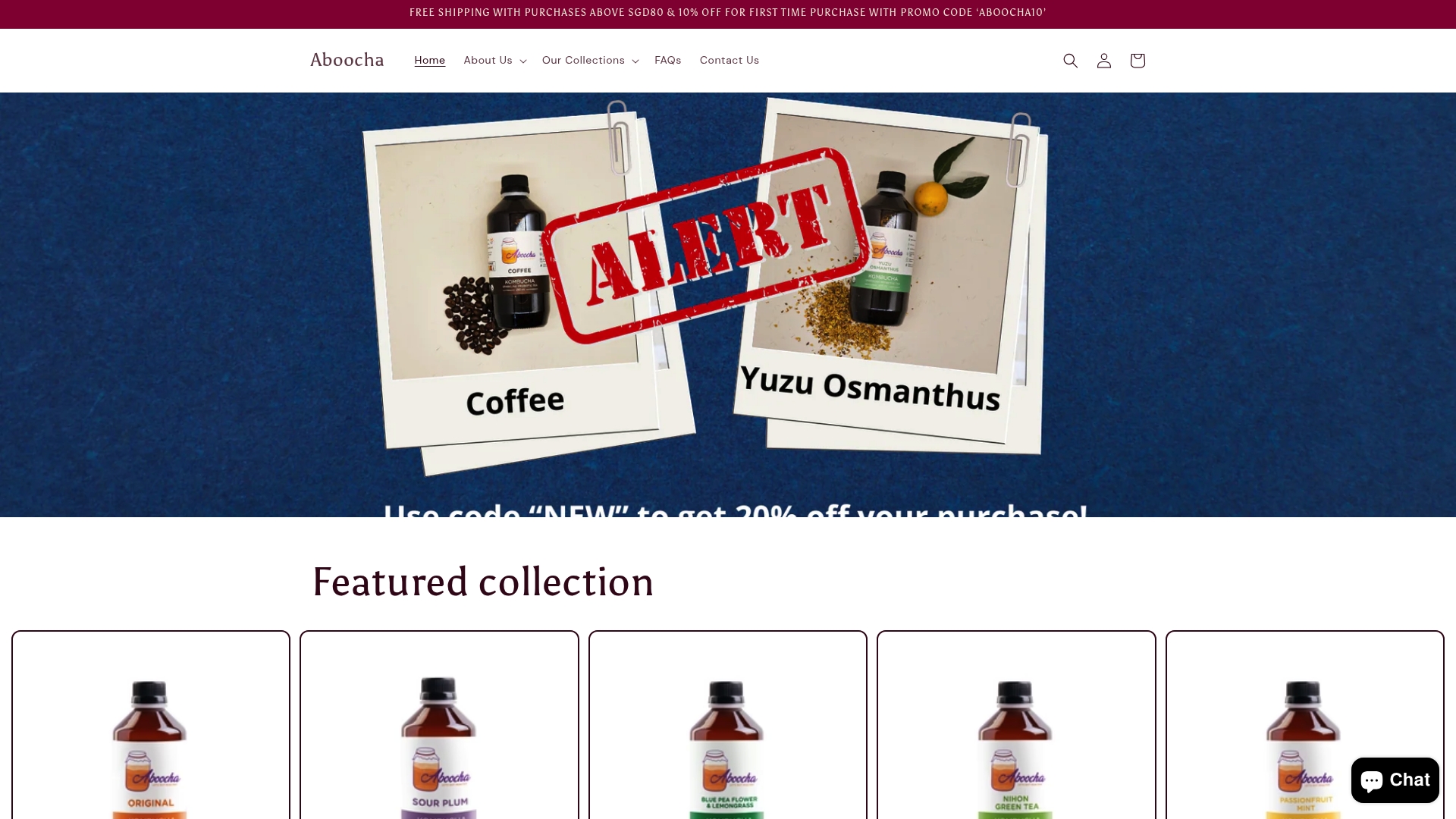
Flavor variety can help keep a multi-week symptom trial interesting instead of repetitive, which matters when tracking reactions over several days. Start with a bundle from Aboocha so you can test more than one flavor at the small serving sizes this article recommends, without committing to a case of one you might not tolerate well. If you’d rather try a curated pairing first, the Aboocha x Deefruit set is a solid starting point for your first controlled trial.
Key Studies and Guidance Worth Reading Next
For readers who want to go straight to the primary sources: the pilot RCT on inulin-enriched kombucha for IBS-C is the core clinical evidence behind this guide, alongside its related safety and tolerability report. For FODMAP specifics, check Monash FODMAP’s fermented drinks guidance, and for a general risk overview, Drugs.com’s kombucha safety summary covers contamination and interaction concerns in plain language.
FAQ
What is the best drink for irritable bowel syndrome?
There’s no single best drink, but low-FODMAP herbal teas (peppermint, ginger) are generally safer starting points than fermented beverages; for more options, see these best digestion teas backed by evidence and dietitian picks. Kombucha may help IBS-C specifically in small, tested servings, but it isn’t a universal recommendation.
Who should not drink kombucha?
Pregnant individuals, immunosuppressed people, and those with chronic liver disease should avoid kombucha or use strong caution due to contamination and alcohol content risks. Anyone with a history of severe reflux or gastritis flares after fermented foods should check with a clinician first.
Is kombucha good for a gassy stomach?
It can go either way. The carbonation and added inulin that make some kombuchas effective for constipation are the same ingredients that cause gas and bloating in people sensitive to fermentable fibers, so a small test serving is the only way to know your own response.
What fermented foods are good for people with IBS?
Evidence is still limited and inconsistent across fermented foods generally, though some studies point to modest benefits for specific symptoms in specific groups. Yogurt with live cultures and small servings of kombucha have the most direct research behind them for IBS, but individual tolerance varies widely.
Is kombucha safe for IBS if I choose a pasteurized brand?
Pasteurized, commercially controlled kombucha carries lower contamination and alcohol-variability risk than homebrew, making it the safer starting point for a cautious trial. Even so, sugar content, carbonation, and added fiber still need label checking before you start.