For most people, the sweet spot is drinking kombucha during a meal or within about an hour after eating. That timing gives your gut something to work with instead of hitting it cold with acid and carbonation on an empty stomach. If you have a sensitive gut, pair every serving with food and start with a small serving. If your goal is energy instead of digestion, morning works better than evening.
TL;DR:
- Drinking kombucha during or after a meal provides buffering that can reduce bloating and support digestion, especially for sensitive stomachs.
- Consuming small servings of 2 to 4 ounces at a time and gradually increasing helps identify your personal tolerance and minimizes adverse reactions.
- Pairing kombucha with protein, fiber, and healthy fats enhances its blood sugar-balancing effects and lessens gastrointestinal discomfort.
- People with reflux, IBS, or blood sugar concerns should stick to food-paired or post-meal consumption and start with very small amounts.
- Early morning intake can boost alertness but may increase bloating if drunk on an empty stomach, so the timing should be tailored to individual responses.
Table of Contents
- When Should You Drink Kombucha for Best Results?
- Why Does Timing Change How Kombucha Affects Digestion?
- Who Should Be Careful About When They Drink Kombucha?
- How Do You Safely Test Your Own Kombucha Timing?
- What Does Aboocha Kombucha Recommend for New Drinkers?
- A Personal Note on Getting This Right
- Ready to Try Kombucha the Low-Risk Way?
- Sources
- FAQ
When Should You Drink Kombucha for Best Results?
There isn’t one universal window, because your goal changes the answer. Digestion, energy, and appetite control each point toward a slightly different timing strategy.
- With meals, or within about 1 hour after eating: the default recommendation from most dietitians, and the safest starting point for anyone unsure how their stomach will react.
- 30 to 45 minutes before a meal: some people use this to prime digestion or take the edge off appetite, but it’s only worth trying if you already tolerate kombucha well on an empty stomach.
- Morning, for alertness: kombucha carries trace caffeine and a small amount of alcohol from fermentation, so early in the day is smarter than late afternoon if sleep matters to you.
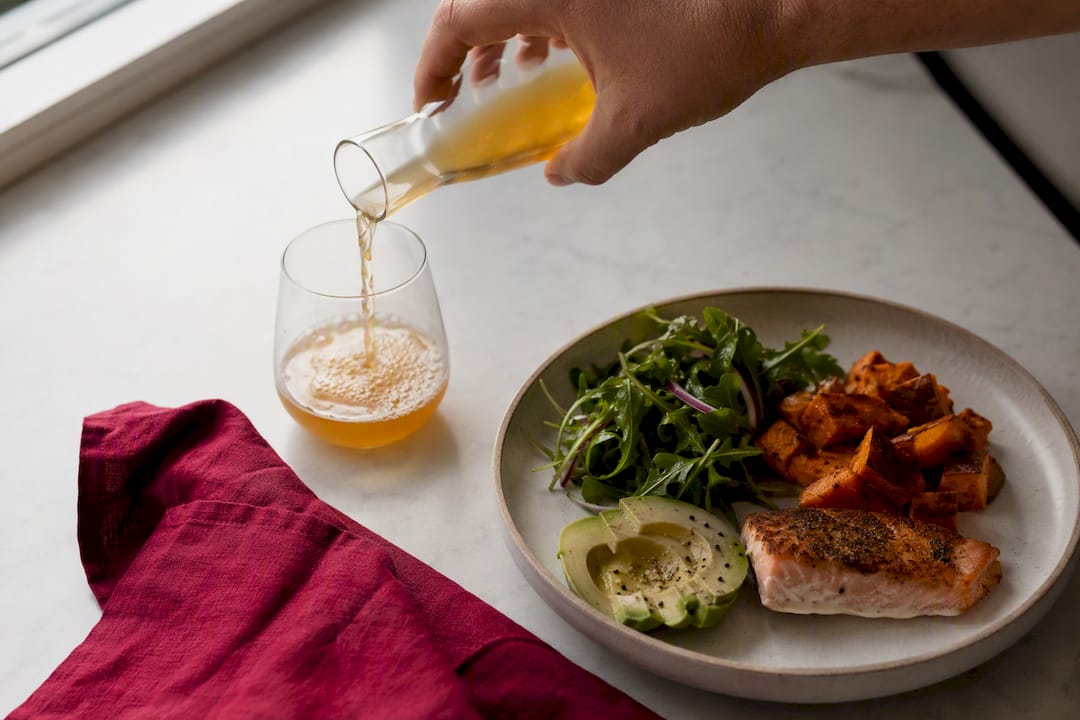
A practical example: 2 to 4 ounces alongside a bowl of yogurt and fruit gives your gut a buffer. A 4 to 8 ounce pour as a 3 p.m. pick-me-up works fine for people who already know they tolerate it. Neither is wrong. They’re just solving different problems.
Why Does Timing Change How Kombucha Affects Digestion?
Kombucha isn’t one ingredient. It’s a mix of live cultures, organic acids, carbon dioxide, and a small caffeine load left over from the tea, and each of those interacts with your gut differently depending on what else is in your stomach.
The probiotic angle gets the most attention, but the science here is genuinely more modest than marketing suggests. A Frontiers in Nutrition review lays out kombucha’s acids, polyphenols, and microbial content and their plausible effects on digestion and metabolism, but stops well short of claiming these cultures reliably survive stomach acid and colonize the gut. Food in your stomach may buffer some of that acid and improve comfort, though a survival advantage for the microbes themselves isn’t established.
Quick fact: Dietitians point to pairing kombucha with protein, fiber, and healthy fats as the most reliable way to soften its impact on blood sugar and digestion, more reliable than any specific clock time.
Two other mechanisms matter more than people realize:
- Acetic acid, the compound giving kombucha its tang, may help slow fat digestion and blunt post-meal blood sugar spikes, which is a real argument for drinking it with food rather than alone.
- Carbonation is the most common source of complaints. Belching and bloating show up more on an empty stomach, and pairing with food tends to reduce that discomfort.
Caffeine and the trace alcohol are minor compared to coffee or beer, but they still add up if you’re drinking a full bottle late at night.
Who Should Be Careful About When They Drink Kombucha?
Not everyone’s gut responds to kombucha the same way, and a handful of conditions change the calculus enough that timing stops being a preference and becomes a precaution.
- IBS or reflux: stick to drinking with or after meals, and skip large servings on an empty stomach. Dietitians specifically flag acidic, carbonated drinks as a trigger for reflux symptoms when there’s no food buffering them. Readers managing IBS symptoms can find a step-by-step way to test tolerance without triggering a flare in this guide to testing kombucha safely with IBS.
- Diabetes or blood sugar concerns: pair kombucha with a carbohydrate-containing meal rather than sipping it alone, since the acetic acid content works best at blunting spikes when it’s part of the meal itself.
- Pregnancy or immunocompromised conditions: talk to a clinician first, keep servings small, and avoid unpasteurized products if you’re at all unsure about a batch.
- Habitual drinkers with no symptoms: if you’ve had kombucha regularly for months with zero issues, experimenting with empty-stomach servings is reasonable. You already know your baseline.
Pro Tip: If you’ve got a history of gastritis, don’t test tolerance on a bad day. Try your first small serving on a calm stomach, with a meal, so you’re not confusing a flare-up with a kombucha reaction.
How Do You Safely Test Your Own Kombucha Timing?
Guessing wastes time and can wreck a perfectly good gut experiment. A short, structured trial tells you more in two weeks than months of random sipping.
- Start at 2 to 4 ounces (roughly 50 to 100 mL), not a full bottle. Dietitians consistently recommend this as the entry point before scaling up to 4 to 8 ounces once you know how your gut responds.
- Week one: try a small serving in the morning on a relatively empty stomach. Log energy, bloating, and any reflux within two hours.
- Week two: switch to drinking the same amount during or right after meals. Compare notes.
- Pair it with real food when testing after-meal timing. Yogurt, a handful of nuts, or whole-grain toast with peanut butter all give your stomach something to work alongside the acid and carbonation.
- Stop and check with a clinician if you notice persistent bloating, worsening reflux, or any new symptom that doesn’t settle within a day.
Pro Tip: Keep the log dead simple. Time of day, ounces, and a one-word symptom note. Anything more elaborate and you’ll abandon it by day four.
What Does Aboocha Kombucha Recommend for New Drinkers?
Writer and researcher Irwin Lee has looked at conservative serving guidance across the kombucha space, and the consistent theme is that people with gastritis or a sensitive gut do best starting far smaller than the label suggests, often just 50 to 100 mL, before working up.
Small servings paired with food aren’t a compromise. They’re the actual protocol that gets people to a place where they can enjoy a full glass without regretting it an hour later.
Some kombucha brands emphasize lower sugar content and flavors designed to be enjoyed alongside a meal rather than compete with it. Readers running their own trial can find Aboocha’s take on conservative dosing in this gastritis-focused serving guide.
A Personal Note on Getting This Right
Chasing the perfect minute to drink kombucha is a distraction. What actually moves the needle is drinking a modest amount regularly and paying attention to how your body responds, which matters more than hitting some ideal 45 minute window.
Everyone’s gut is different. Test your own timing before trusting anyone’s general rule, including this one. If you want a deeper dive into morning versus afternoon effects, the timing and energy breakdown is a good next stop.
— Irwin Lee
Ready to Try Kombucha the Low-Risk Way?
Aboocha Kombucha was built around exactly the trial approach this article walks through: lower sugar than typical bottles, flavors designed to sit well alongside a meal instead of overpowering it, and serving sizes that make starting small easy rather than awkward.
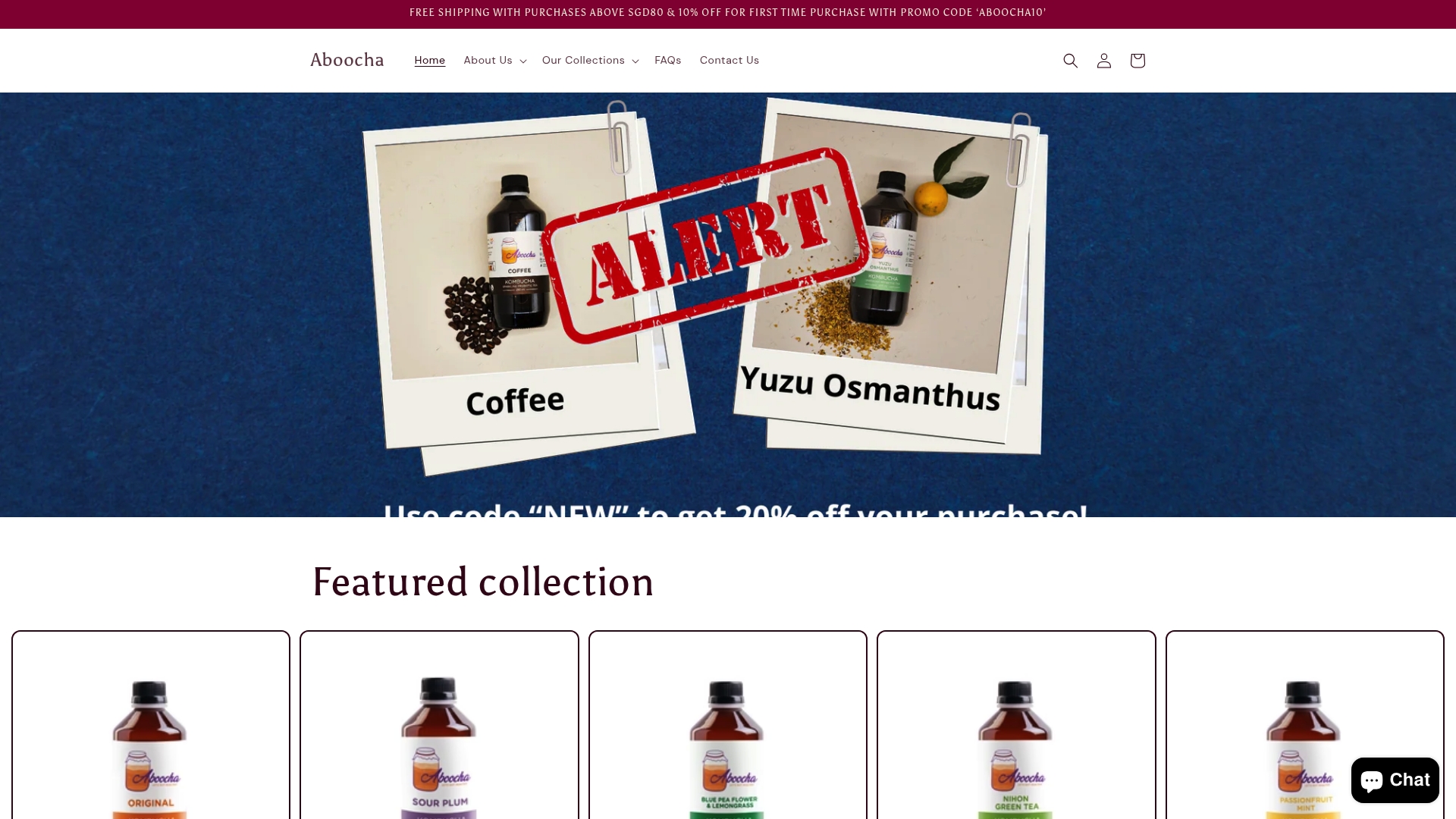
If you’re just beginning your two-week test, a single bottle or a small variety set lets you compare flavors like Sour Plum and Yuzu Osmanthus without committing to a case. Once you know your tolerance and preferred timing, a subscription plan keeps a steady, modest supply coming so you’re not tempted to overpour out of habit. If you have reflux, gastritis, or you’re pregnant, check with a clinician before starting, then use the small-serving approach from this guide as your baseline. Ready to find your flavor and start your trial? Browse Aboocha’s kombucha lineup and pick a starter set.
Sources
- Frontiers in Nutrition review on kombucha (2023)
- Health
- The Best Time to Drink Kombucha for Digestive Benefits, According to Dietitians – AOL
- The Best Time to Drink Kombucha for Digestive Benefits – EatingWell
FAQ
Is it better to drink kombucha before or after eating?
After, or during, a meal is generally better for digestion and tolerance. Drinking it on an empty stomach can worsen reflux or bloating for sensitive people, according to dietitian guidance.
Which is the best time to drink kombucha?
There’s no single best time backed by strong research. Choose morning for energy, with meals for digestion and blood sugar support, and always start with a small serving like Aboocha’s lower-sugar bottles if you’re new to it.
What is the correct way to drink kombucha?
Start with 2 to 4 ounces, pair it with food if you have any gut sensitivity, and increase gradually only after you know how your body responds, per EatingWell’s guidance.
Is it good to drink kombucha first thing in the morning?
It can work well for an energy boost thanks to trace caffeine, but on a completely empty stomach it may cause more bloating or reflux for sensitive drinkers than having it with breakfast.