Tropical heat and humidity change fermentation by speeding up microbial reaction rates, pushing metabolic pathways toward acetate instead of lactic acid or ethanol, and reshuffling which microbes dominate the tank, crock, or silage pit. Above roughly 35°C, mesophilic yeasts like standard Saccharomyces cerevisiae start losing ground, and by 40°C most conventional starter cultures are working at a fraction of their normal output. That is the mechanism in one sentence. The fixes that actually move the needle are just as compact.
Three interventions matter more than everything else combined. First, switch to thermotolerant starter cultures such as Kluyveromyces marxianus or Pichia kudriavzevii when your process regularly runs above 35°C. Second, check substrate quality before you inoculate anything, because heat and humidity quietly strip sugar and nitrogen out of raw materials before fermentation even starts. Third, invest in passive process design, shade, cross ventilation, evaporative cooling, insulated vessels, before you spend money on mechanical refrigeration.
- Mesophilic yeast performance drops sharply above 35°C, and by 40°C, ethanol yields fall unless you use a thermotolerant strain.
- Working range for most tropical fermentations sits between 35 and 40°C. Beyond that, you’re managing damage control, not fermentation.
- Substrate sugar content (brix) and microbial load both shift measurably with humidity, so pre-fermentation testing pays for itself.
Pro Tip: Take the temperature of your fermenting vessel itself, not just the room. Exothermic fermentation can run several degrees hotter than ambient air, which means a 33°C kitchen can hide a 38°C ferment.
Key Takeaways
Tropical heat and humidity accelerate microbial kinetics, push metabolism toward acetate over lactic acid or ethanol, and favor thermotolerant and spoilage organisms over standard mesophilic cultures.
| Point | Details |
|---|---|
| Heat shifts fermentation chemistry | Above 35°C, mesophilic yeast performance drops; at 40°C, acetic acid production rises while lactic acid and ethanol yields fall. |
| Humidity degrades substrate first | A correlation of −0.81 links tropical heat and humidity to declining brix in raw substrates like coconut sap. |
| Thermotolerant strains close the gap | K. marxianus and Pichia kudriavzevii can ferment productively at 40°C, where standard S. cerevisiae struggles. |
| Passive controls beat active cooling for most producers | Shade, ventilation, evaporative cooling, and batch timing cut peak temperatures without refrigeration costs. |
| Substrate testing prevents downstream failure | A quick brix and nitrogen check before inoculation flags sluggish-fermentation risk early. |
Re-read the practical controls section if you’re ready to implement changes in your own process this week.
Table of Contents
- How Temperature and Humidity Affect Fermentation
- How Do Microbes Respond to Tropical Heat and Humidity?
- Why Does Tropical Climate Degrade Substrate Quality Before Fermentation Starts?
- How Tropical Conditions Change Outcomes by Fermentation Type
- What Practical Controls Actually Work in Tropical Fermentation?
- What Does the Research Actually Establish, and Where Are the Gaps?
- A Practical Take on Managing Tropical Fermentation
- Sources
- FAQ
How Temperature and Humidity Affect Fermentation
Heat speeds up chemical reactions, that’s basic Arrhenius kinetics, but fermentation isn’t a simple chemical reaction. It’s a living system, and living systems break down long before the reaction rate math would predict. Enzymes denature, cell membranes lose integrity, and oxygen becomes less soluble in warm liquid, which throws off the balance between aerobic and anaerobic microbial activity that most fermentations depend on.
The clearest evidence comes from side-by-side temperature trials. Comparative studies running fermentations at 28°C versus 40°C consistently show the same pattern: lactic acid production drops while acetic acid formation climbs, and the fermentation profile shifts away from what most producers actually want. Optimal ethanol production tends to cluster near 30°C. Push past that into the high 30s and 40s, and you need a thermotolerant strain just to hold steady output, let alone improve it.
Humidity works differently but toward the same destabilizing end. It doesn’t heat the ferment directly, but it changes water activity in stored substrate, which accelerates enzymatic breakdown and gives spoilage organisms a head start before fermentation begins. Research on coconut sap found a correlation coefficient of −0.81 between temperature/humidity and brix, meaning as heat and moisture rise, sugar content in the raw sap falls in almost lockstep.
| Temperature | Typical Effect on Fermentation |
|---|---|
| 28°C | Baseline mesophilic activity; balanced lactic acid and ethanol production |
| 30°C | Near-optimal range for many ethanol fermentations |
| 35°C | Mesophilic yeast stress begins; acetic acid formation increases |
| 40°C | Significant lactic acid decline, acetate-dominant shift, thermotolerant strains required |
Statistic Callout: In direct comparisons, silage fermented at 40°C showed higher acetic acid content and a faster early pH drop than silage held at 28°C. One trial reported pH falling noticeably faster at 40°C during fermentation compared to 28°C, indicating more rapid acidification at the higher temperature.
How Do Microbes Respond to Tropical Heat and Humidity?
Every microbial cell facing sustained heat mounts the same basic defense: it produces heat-shock proteins to keep other proteins from unfolding, adjusts membrane lipid composition to stay fluid instead of rigid, and manages a buildup of reactive oxygen species that heat stress generates as a byproduct. Cells that manage this well keep growing. Cells that can’t shift into a stalled, stressed state that shows up as sluggish fermentation, off flavors, or outright failure.
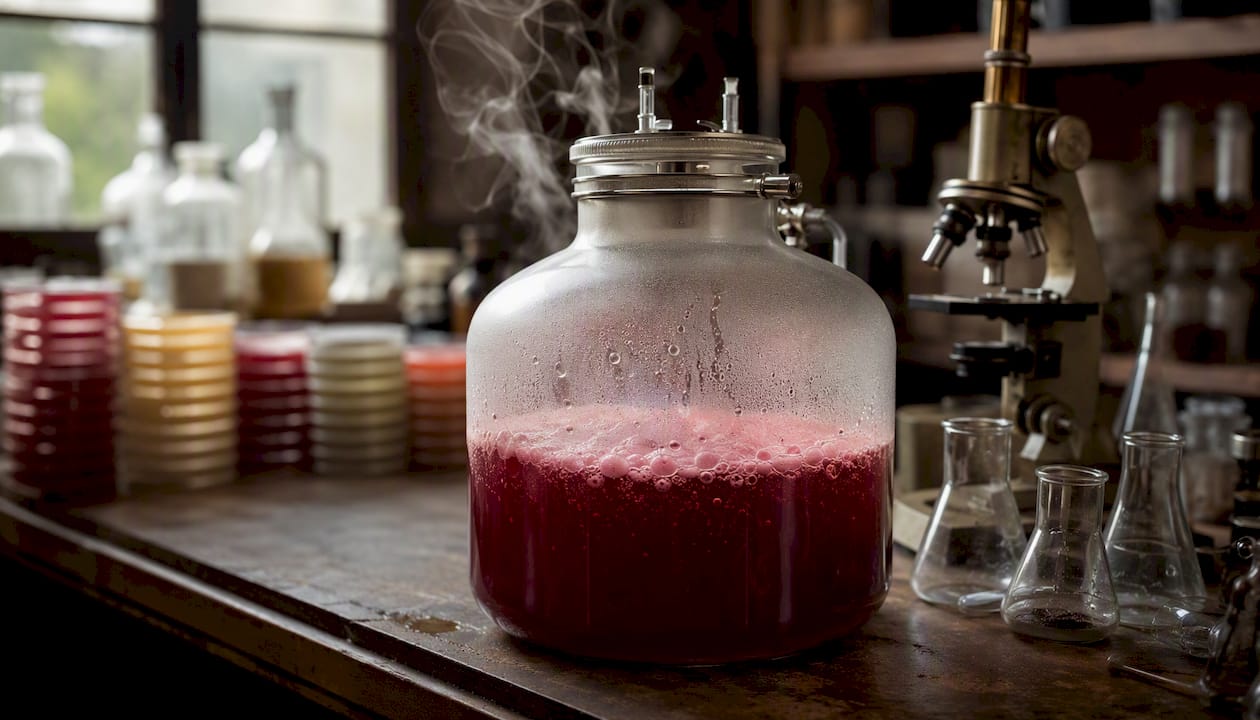
This stress response also reshapes microbial succession, meaning the order in which different species dominate a fermentation. In a cooler, well-controlled ferment, you often see yeasts establish early, followed by lactic acid bacteria, with acetic acid bacteria staying a minor presence. In a hot, humid tropical environment, that timeline compresses and distorts. Heterofermentative lactic acid bacteria and acetic acid bacteria gain relative advantage faster, particularly when nitrogen is limited, and spoilage bacteria or fungi can move in earlier than a temperate-climate producer would expect. Timing your inoculation to get ahead of that curve matters more in the tropics than almost anywhere else.
A handful of species show up again and again in tropical fermentation research because they tolerate heat that would stall standard cultures:
- Kluyveromyces marxianus grows and ferments efficiently at elevated temperatures and is a go-to substitute for standard S. cerevisiae in high-heat ethanol production.
- Pichia kudriavzevii (sometimes grouped with Candida species) has been shown to produce ethanol at 40°C, with reported yields ranging from about 29 to 78.6 grams per liter depending on strain and conditions.
- Candida tropicalis offers similar heat tolerance and is frequently isolated from tropical fermentation environments alongside other non-conventional yeasts.
- Thermotolerant strains of Saccharomyces cerevisiae exist and can be selected or adapted for use above 35°C, though they still underperform dedicated thermotolerant species at the upper end of the range.
- Heterofermentative Lactobacillus species produce the acetic acid that increasingly dominates warm fermentations, useful in some silage and sour-ferment contexts, a liability in others.
- Acetobacter and Gluconobacter (acetic acid bacteria) become more active as temperature rises, which is exactly why over-fermented tropical kombucha tends to taste sharply vinegary.
Pro Tip: If you’re fermenting above 35°C, don’t just swap in a thermotolerant yeast and call it done. Check whether your process actually wants more acetic acid or is fighting against it. K. marxianus for high-temperature ethanol, heterofermentative LAB when you’re deliberately building acetate character, but not both goals at once.
Why Does Tropical Climate Degrade Substrate Quality Before Fermentation Starts?
A fermentation is only as good as what goes into it, and tropical conditions attack raw substrate quality well before a starter culture gets involved. The same heat and humidity that stress microbes mid-fermentation also degrade sugars, dilute or concentrate moisture unpredictably, and accelerate enzymatic breakdown in harvested fruit, sap, grain, or dairy sitting in tropical storage.
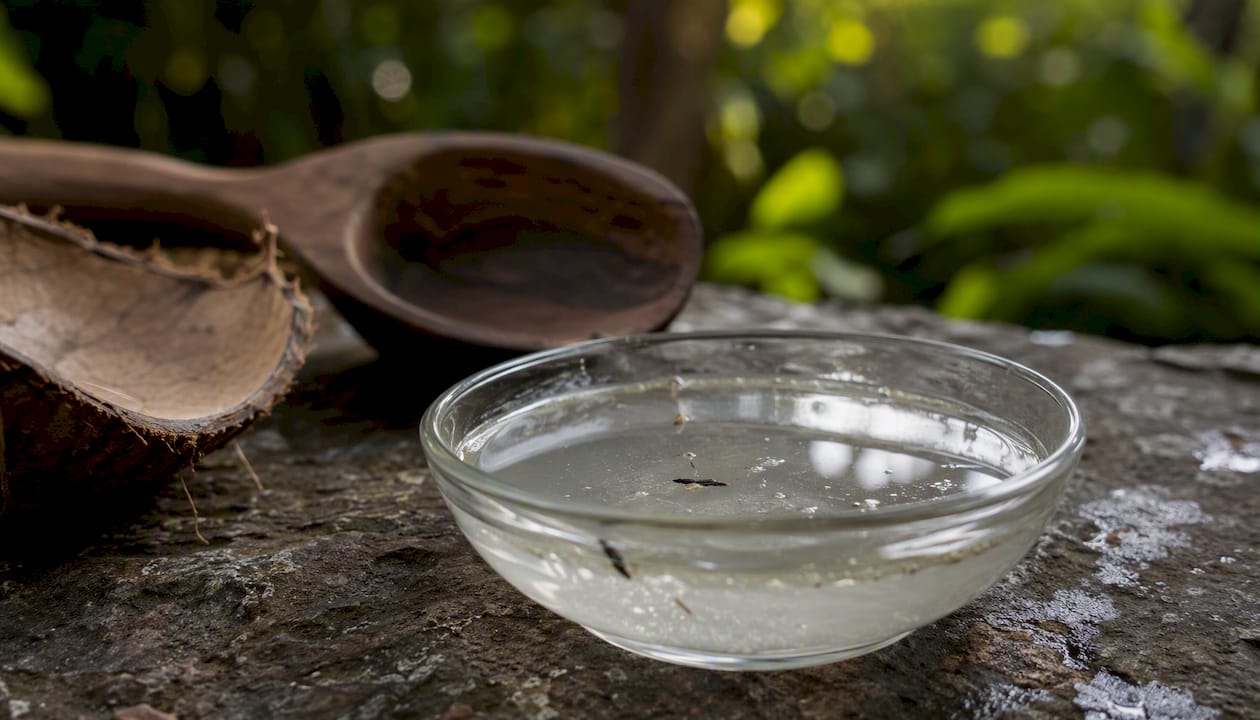
The coconut sap research cited above isn’t a one-off curiosity. That −0.81 correlation between temperature/humidity and brix reflects a broader pattern: warm, humid air pulls water activity up in stored feedstock, which speeds enzymatic sugar conversion and gives ambient microbes more to work with before you’re ready to inoculate. A separate case study on sugarcane distilleries found that a year with 7.5 times lower rainfall and roughly 3°C higher average temperature also showed measurably lower assimilable nitrogen in the cane, and that year’s fermentations turned out sluggish and prone to spoilage. Weather doesn’t just affect the tank. It reaches back into the field.
Low brix and low nitrogen together create a specific failure mode: fermentation starts slowly, gives opportunistic bacteria time to establish, and often stalls before reaching target acidity or alcohol content. A refractometer reading before inoculation takes thirty seconds and tells you whether your substrate needs supplementation or a shorter fermentation window. Checking moisture and storage time matters just as much. Sap, juice, or must held too long in humid ambient air loses quality daily, and prolonged high-humidity storage also raises mycotoxin risk in grain-based or nut-based substrates if drying or protective storage isn’t in place. Small, practical steps close most of the gap: harvest earlier in the day before heat peaks, consider partial pasteurization or gentle pre-concentration for sap and juice, add a nitrogen source like diammonium phosphate when working with nitrogen-poor substrates, and store raw material in the coolest, driest space available rather than assuming it’ll hold until tomorrow.
How Tropical Conditions Change Outcomes by Fermentation Type
The mechanisms above play out differently depending on what you’re actually fermenting. A silage pit, a palm wine tapper, a home kombucha brewer, and a bioethanol plant all feel tropical heat, but the practical consequences diverge sharply.
Silage stored at higher tropical temperatures tends to shift toward an acetate-dominant fermentation profile rather than the lactic-acid-dominant profile that produces the best-preserved, most palatable feed. That acetic acid rise at 40°C versus 28°C isn’t just a chemistry footnote. Acetate-heavy silage often means lower feed intake by livestock and reduced preservation quality over storage time, which is a real cost for tropical dairy and cattle operations.
Traditional sap ferments like palm wine show something researchers didn’t fully appreciate until recently: the same tapping practice, on the same tree species, produces genuinely different fermentation outcomes depending on the season. Stage-wise sampling across tapping periods found Saccharomyces dominating early fermentation stages, with non-Saccharomyces yeasts emerging later, and metabolite profiles shifting measurably between wet and dry season sampling. A palm wine tapper working the same trees in June and December is, in a microbiological sense, running two different fermentations.
Home ferments like kombucha, kefir, and vegetable pickles feel tropical heat fastest of all, because they’re small-batch and unbuffered against ambient swings. Acidification happens faster, sometimes uncomfortably faster, and the risk of kahm yeast forming on the surface or the batch tipping into sharp vinegar territory goes up substantially once ambient temperatures pass the mid-80s Fahrenheit. Shortening fermentation time, moving batches to the coolest room available, and tasting more frequently than a temperate-climate recipe suggests are the practical adjustments that keep home batches on track. The same flavor-development principles that apply to kombucha aging explain why a tropical summer batch can taste noticeably different from a cooler-season one made with identical ingredients.
Bioethanol production is where the thermotolerant-strain research pays off most directly at industrial scale. Standard mesophilic S. cerevisiae loses meaningful productivity above 35°C, which historically forced producers to spend heavily on cooling. Optimized fermentations using thermotolerant strains at around 40°C have reached ethanol titers of roughly 36.85 grams per liter with 93.61% yield efficiency from agricultural waste hydrolysate, numbers that make skipping active cooling economically realistic rather than a compromise.
Isolation work across tropical field sites has turned up thermotolerant strains, including K. marxianus and Issatchenkia isolates, that grow and ferment at 42 to 45°C while tolerating common fermentation inhibitors found in raw plant material. That combination of heat tolerance and inhibitor resistance is exactly what noncooling industrial fermentation setups need.
What Practical Controls Actually Work in Tropical Fermentation?
Fixing tropical fermentation problems doesn’t require an industrial refrigeration budget. It requires sequencing the right decisions in the right order, starting before you even pitch your starter culture.
- Test your substrate first. A refractometer reading for brix and a quick nitrogen check tell you whether the raw material can support a clean fermentation or needs supplementation.
- Choose your strain based on your goal, not habit. Thermotolerant non-conventional yeasts like K. marxianus or Pichia species for high-heat ethanol or beverage work; heterofermentative LAB or mixed consortia when acetate character is intentional.
- Size your inoculum generously. A larger, more vigorous starting population outcompetes ambient spoilage organisms faster, which matters more in warm climates where those competitors are also thriving.
- Sanitize more aggressively than a temperate-climate recipe suggests. Warm, humid air carries more ambient microbial load, so equipment and vessel hygiene has a smaller margin for error.
- Build in passive cooling wherever the process allows it. Shade structures, cross ventilation, evaporative cooling using wet cloth or ceramic vessels, and insulated fermentation containers all reduce peak temperature without a compressor.
- Time batches to the coolest part of the day. Starting a ferment at dawn instead of midafternoon can shave several degrees off the peak internal temperature during the critical early growth phase.
- Monitor continuously, not just at the start. A cheap temperature logger and regular pH strip checks catch a runaway ferment early enough to intervene.
Pro Tip: Stage your inoculation instead of dumping the full starter in at once. Adding roughly two-thirds of your inoculum at the start and the remainder six to twelve hours later gives your chosen strain a stronger early foothold against opportunistic spoilage organisms that thrive in warm, humid air. For home brewers dialing in fermentation timing, the step-by-step approach to kombucha fermentation covers monitoring specifics worth adapting to warmer conditions. Craft producers working across different beverage categories will also recognize the same temperature sensitivity described in fermentation storage guidance for beer, where humidity and heat management follow strikingly similar rules.
What Does the Research Actually Establish, and Where Are the Gaps?
The 28°C versus 40°C comparisons that recur across silage, ethanol, and traditional ferment studies form the most reliable evidence base in this field. That consistency across very different substrates, sugarcane silage, coconut sap, agricultural hydrolysate, is what makes the acetate shift and yeast-performance decline credible rather than anecdotal. Thermotolerant strains reliably improve yield at elevated temperature, and the brix-humidity correlation from coconut sap research gives producers an actual number to test their own substrate against rather than a vague warning to “watch the humidity.”
Statistic Callout: Across multiple independent studies, the pattern holds: fermentations run at 40°C consistently show more acetic acid and less lactic acid than the same process run at 28°C, a shift documented separately in silage and general fermentation temperature trials.
The gaps are real, though, and worth naming honestly rather than papering over. Most temperature-comparison studies run for weeks, not full growing seasons, which leaves open how these effects compound across a full tropical wet season and dry season cycle. Traditional ferments like palm wine have far less complete metabolite mapping than industrial ethanol systems, so flavor-chemistry claims for many indigenous ferments still rest on smaller sample sizes than researchers would like. A short list of what would move this field forward fastest:
- Multi-season field trials tracking the same substrate and strain across a full annual cycle, not just controlled lab comparisons.
- Broader metabolite mapping for traditional sap and vegetable ferments beyond the handful of species studied so far.
- Strain-adaptation programs that select thermotolerant isolates directly from local tropical environments rather than importing temperate-climate cultures.
- Better data connecting substrate nitrogen depletion (as seen in the sugarcane distillery case) to specific microbial succession outcomes.
A Practical Take on Managing Tropical Fermentation
The conventional advice you’ll find in most fermentation guides, written mostly by people working in temperate climates, treats heat as a problem to engineer away with refrigeration. That framing doesn’t hold up well once you’re actually running a ferment in consistent 30°C ambient heat. Active cooling is expensive, energy-intensive, and often impractical for small producers and hobbyists. The better path, and the one the research increasingly supports, is working with thermotolerant biology instead of fighting the climate with machinery.
Priorities genuinely differ by who you are. If you’re a hobbyist brewing kombucha or fermenting vegetables at home, your highest-value move is simple monitoring, a cheap thermometer, tasting more often, and passive cooling like a shaded spot or a wet-cloth wrap. You don’t need a lab. If you’re a small or medium producer, the return on investment sits in sourcing genuinely thermotolerant strains and tightening substrate handling before fermentation starts, since a −0.81 correlation between humidity and brix means your raw material is degrading whether or not you’re paying attention to it. If you’re doing research work in this space, the highest-leverage contribution right now is seasonal field data. Lab comparisons at fixed temperatures only tell part of the story of what a tropical wet season actually does to a working fermentation over months.
What I’d add from watching how flavor and gut-health outcomes shift across warm-climate batches: tropical conditions aren’t purely a liability. Faster acidification and earlier acetic acid bacteria activity can produce genuinely interesting flavor complexity when you plan for it instead of getting surprised by it, which is part of why flavor development in fermented drinks leans so heavily on understanding exactly these temperature-driven metabolic shifts. Aboocha’s lower-sugar, flavor-forward kombucha lineup, think Sour Plum’s bright acidity or Yuzu Osmanthus’s more delicate profile, reflects fermentation choices made with warm-climate microbial behavior in mind, not despite it.
Sources
- PubMed record (temperature effects on fermentation)
- Study linking climate to brix and microbial load in tropical sap
- PMC article on thermotolerant yeast performance
- Tropical forage silage study comparing 28 °C and 40 °C
- High-temperature ethanol fermentation using thermotolerant S. cerevisiae (Scientific Reports)
FAQ
What Temperature Is Too Hot for Fermentation?
Most fermentations start losing efficiency above 35°C, and by 40°C, standard mesophilic yeasts need to be replaced with thermotolerant strains to maintain acceptable yield. Above roughly 45°C, even thermotolerant species struggle to sustain productive fermentation.
How Does Temperature Affect Fermentation Chemistry?
Higher temperature speeds up microbial reaction rates but also destabilizes enzymes and cell membranes, which shifts metabolic output toward acetic acid and away from lactic acid or ethanol at the higher end of the range. Comparative trials at 28°C versus 40°C consistently document this shift across different substrates.
What Are the Environmental Effects of Fermentation in Tropical Regions?
Tropical fermentation, particularly bioethanol production using thermotolerant strains, can reduce dependence on energy-intensive mechanical cooling, since strains that work well at 40°C avoid the need to chill fermentation vessels down to a mesophilic range. That said, high-humidity storage of raw substrate ahead of fermentation raises separate risks, including accelerated spoilage and, in prolonged storage without protection, mycotoxin formation.
Which Microbes Handle Tropical Heat Best?
Kluyveromyces marxianus and Pichia kudriavzevii are the most consistently cited thermotolerant yeasts for tropical fermentation, with Pichia kudriavzevii documented producing ethanol at 40°C. Candida tropicalis and select thermotolerant Saccharomyces cerevisiae strains also perform reasonably well above standard mesophilic ranges.
Does Humidity Matter as Much as Temperature?
Yes, often earlier in the process than temperature does. High humidity raises water activity in stored substrate, which accelerates sugar breakdown and microbial growth before fermentation even begins, making substrate testing just as important as temperature control.
Explore Aboocha’s flavor-forward, gut-health-focused kombucha lineup, crafted with lower sugar content and warm-climate fermentation science in mind, and available through single bottles, flavor sets, or a recurring subscription.