Can you drink kombucha at work? For most workplaces and most people, yes -- commercial kombucha's trace alcohol and modest caffeine content put it closer to a soft drink or light tea than anything that would cause impairment or raise a real workplace concern. There are a few situational exceptions worth knowing, though, especially around safety-sensitive roles, workplace alcohol policies, and simple practical considerations like caffeine sensitivity. Here's what actually matters.
TL;DR: Can you drink kombucha at work? For most jobs, yes. Commercial kombucha stays under 0.5% ABV -- trace alcohol similar to ripe fruit or bread, far too little to cause impairment or register meaningfully on a breathalyzer. The exceptions are safety-sensitive roles with strict zero-alcohol policies and workplaces with explicit no-alcohol-on-premises rules, which may not distinguish trace amounts from the real thing. If you're in a regulated role or unsure of your policy, check before assuming.
Table of contents
How much alcohol is actually in workplace-safe kombucha
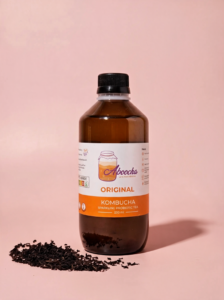
Kombucha is fermented tea, and fermentation naturally produces a small amount of alcohol as a byproduct. Kombucha marketed as a non-alcoholic beverage is typically labelled under 0.5% alcohol by volume (ABV) -- the same general threshold the US applies to "non-alcoholic" beer and similar products. Aboocha states in its Terms of Service that its kombucha and jun tea are under 0.5% ABV.
The US Alcohol and Tobacco Tax and Trade Bureau (TTB) treats kombucha at 0.5% ABV or more as an alcohol beverage, and notes that fermentation can continue in the bottle. For context, trace alcohol also occurs naturally in some breads and ripe fruit. A normal serving at that ABV isn't enough to cause any meaningful impairment or intoxication, and it's well below what would register as a concern on a standard workplace breathalyzer test, if your workplace uses one.
This is distinct from homemade or small-batch kombucha brewed without the same controls, where ABV can run meaningfully higher and less predictably -- that's a different situation from the commercial product most people encounter.
Can you drink kombucha at work in safety-sensitive roles?
This is where "can you drink kombucha at work" stops being a simple yes. Some safety-sensitive occupations -- commercial driving, operating heavy machinery, aviation, and similar roles -- are governed by zero-tolerance alcohol policies that are written around the presence of any alcohol, not a meaningful-impairment threshold.
Depending on exactly how a specific policy or regulation is worded, kombucha's trace alcohol content could technically fall under a blanket "no alcohol" rule even though it wouldn't cause impairment.
If your job involves this kind of regulated, zero-tolerance policy, the honest answer is to check your specific employer's or regulator's wording rather than assume general guidance applies -- this is one of the few areas where the trace amount genuinely matters on paper, even if it wouldn't matter physiologically.
Caffeine: the more practical workday consideration
When asking can you drink kombucha at work, caffeine is actually the more relevant workday factor than alcohol for most people. Kombucha is made from tea, so it carries a modest amount of caffeine -- generally less than black tea and well below a cup of coffee, though this varies by brand and brewing time. If you're also drinking coffee or tea through the day, or you're caffeine-sensitive, kombucha's caffeine content is worth factoring into your total intake the same way any caffeinated beverage would be, rather than treating it as caffeine-free just because it's not sold as a "coffee" or "tea" product on the label.
What if your company has a no-alcohol policy?
Some workplaces have their own explicit no-alcohol-on-premises policies, separate from any legal or safety-sensitive regulation -- these are typically written with intoxicating amounts of alcohol in mind, not trace fermentation byproducts, but the wording can vary.
If your workplace has a strict, explicitly worded no-alcohol policy and you want certainty rather than assumption, it costs nothing to ask HR or check the policy document directly. For the overwhelming majority of office and non-safety-sensitive workplaces without an explicit policy either way, kombucha simply isn't treated as an alcoholic beverage in practice.
A practical approach
So, can you drink kombucha at work? For most jobs, drinking commercial kombucha at your desk or during a break is no different from drinking any other beverage -- the trace alcohol content isn't a realistic concern.
If you're in a safety-sensitive, regulated role with a zero-tolerance alcohol policy, check the specific wording that applies to you rather than relying on general guidance like this. And if you're mindful of caffeine intake generally, treat kombucha the same way you'd treat any other caffeinated drink in your day.
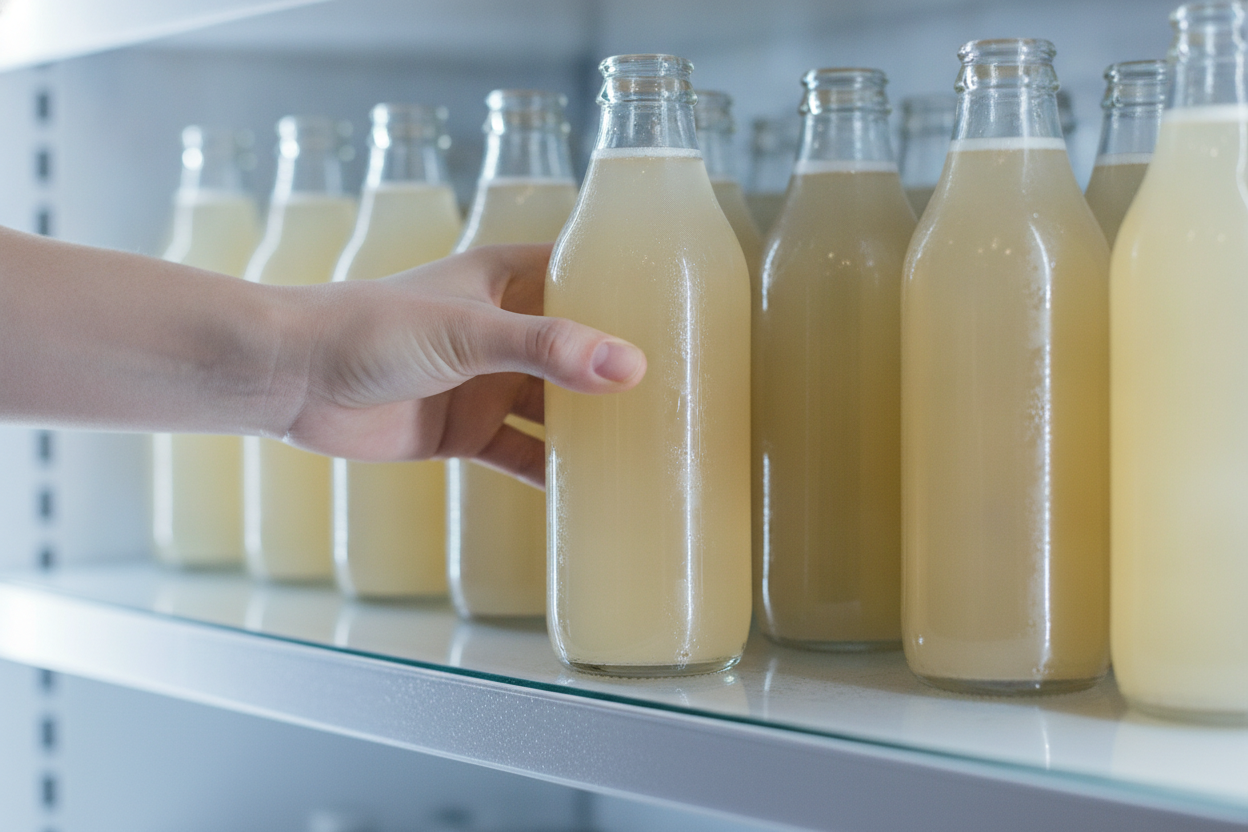
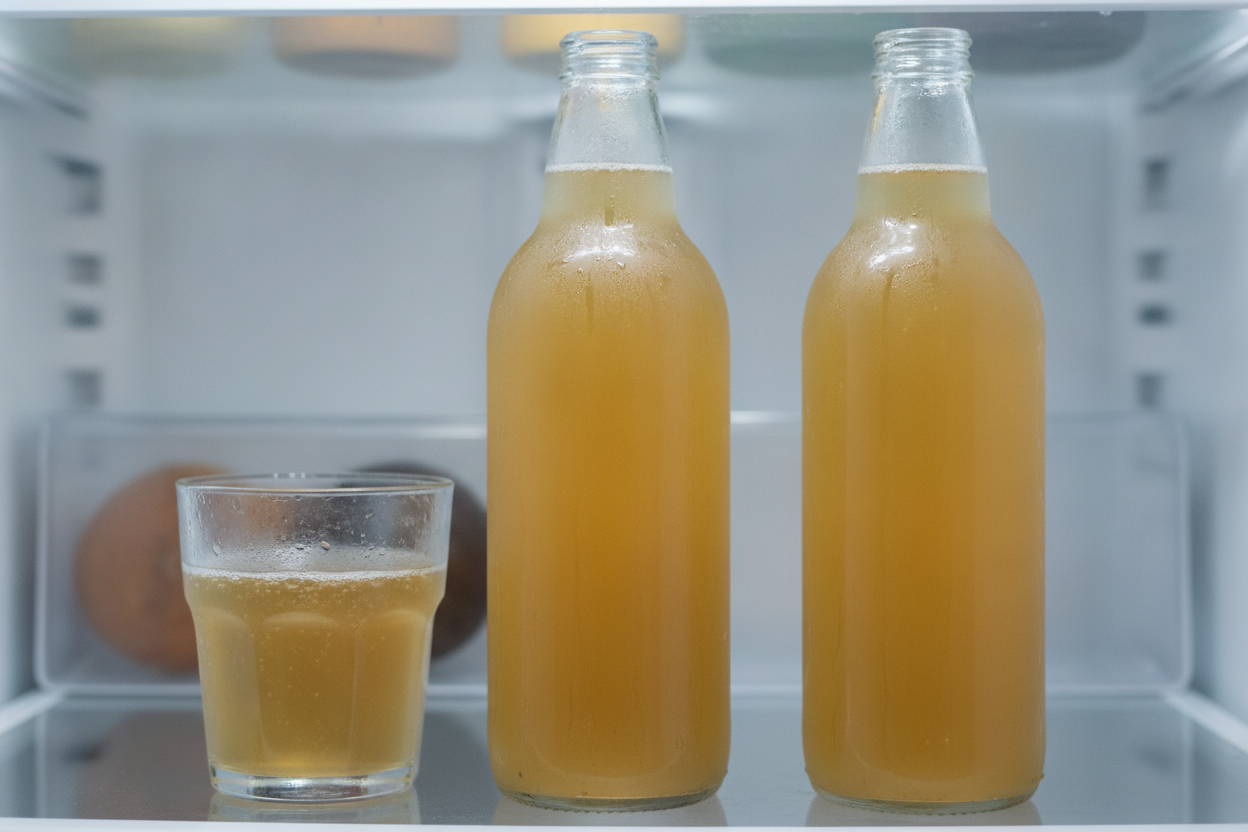
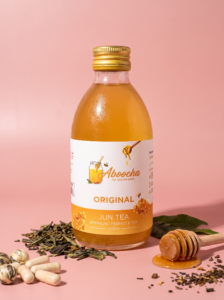
Aboocha's own kombucha and jun tea are raw, so keep them chilled (warmth keeps fermentation going and can push alcohol up) -- see the full lineup in our shop -- and if you're also wondering about kombucha and driving specifically, our guide on kombucha's alcohol content and driving covers that related question in more detail.
Frequently asked questions
Can you drink kombucha at work?
For most jobs, yes -- commercial kombucha's trace alcohol (typically under 0.5% ABV) and modest caffeine content aren't a realistic workplace concern. The exceptions are safety-sensitive, zero-tolerance roles and workplaces with explicit no-alcohol policies, where it's worth checking the specific wording rather than assuming.
Will kombucha show up on a workplace breathalyzer test?
A normal serving of commercial kombucha, at under 0.5% ABV, is well below the threshold that would register meaningfully on a standard breathalyzer. This is different from homemade or small-batch kombucha, where alcohol content isn't controlled and can run higher.
Does kombucha count as alcohol under a strict zero-tolerance policy?
It can, depending on exactly how the policy is worded -- some zero-tolerance policies restrict the presence of any alcohol rather than a meaningful-impairment threshold. If you're in a regulated, safety-sensitive role, check your specific employer's or regulator's wording rather than assuming general guidance applies.
Does kombucha have enough caffeine to matter during a workday?
Kombucha generally carries less caffeine than black tea and well below coffee, but it's not caffeine-free. If you're mindful of total caffeine intake through the day, it's worth counting kombucha the same way you would any other caffeinated beverage.