Yes. High ambient humidity can alter gut microbiota composition and weaken intestinal barrier function, and the effect shows up in measurable biomarkers, not just anecdote. Peer-reviewed work in PMC has linked warm, humid conditions to gut dysbiosis and elevated inflammatory markers like IL-17A and TNF-α, while a Frontiers in Immunology study tied high humidity exposure to higher fasting blood glucose through a damaged intestinal lining. This is exactly the kind of climate Singapore lives in year-round, which is what makes the mechanisms below worth understanding.
That’s the honest scientific state of things: real, replicated, and worth taking seriously, but not a verdict that humidity alone will wreck your digestion. Most of the strongest evidence still comes from animal models exposed to controlled high-humidity chambers, with human data emerging from smaller cohort and clinical studies. Effect sizes vary, and researchers haven’t nailed down exact dose-response curves for healthy adults living in naturally humid climates.
Here’s what the research consistently points to:
- Biomarker shifts: zonulin and IFABP (markers of intestinal permeability) rise under sustained high-humidity exposure.
- Immune activation: IL-17 and related inflammatory pathways increase in animal studies.
- Metabolic effects: GLP-1 suppression and fasting blood glucose changes appear in both mouse models and some human samples.
- Vulnerable populations carry more risk: preterm infants in high-humidity incubators show a measurably higher infection rate.
Key Takeaways
High ambient humidity measurably disrupts gut microbiota, weakens the intestinal barrier, and shifts metabolic hormones, with vulnerable groups facing the clearest documented risk.
| Point | Details |
|---|---|
| Humidity alters gut biomarkers | Zonulin, IFABP, and IL-17 rise under sustained high-humidity exposure in animal and human studies. |
| 70% RH is a meaningful threshold | Incubator and experimental data flag humidity above 70% as elevated risk territory. |
| Ventilation beats humidity reduction alone | Improving airflow cuts microbial growth more reliably than dehumidifying enclosed spaces. |
| Vulnerable groups need extra caution | Preterm infants, people with metabolic disease, and immunocompromised individuals face higher documented risk. |
| Diet supports what environment can’t fix | Fiber-rich foods and fermented beverages help stabilize the gut barrier alongside humidity control. |
This article is general information, not a substitute for advice from a qualified doctor. Consult a qualified healthcare professional about your own circumstances before acting on anything here.
Table of Contents
- The Role of Humidity in Gut Health: How It Actually Works
- What Does the Research Actually Show?
- What This Could Mean for Your Digestion
- What Humidity Level Actually Matters for Your Gut?
- How to Protect Your Gut From High Humidity
- Who Should Be Most Careful About Humidity and Gut Health?
- Where the Science Still Falls Short
- Can Fermented Drinks Help Offset Humid-Climate Gut Stress?
- Balancing Environmental Control and Diet: My Take
- Sources
- FAQ
The Role of Humidity in Gut Health: How It Actually Works
The pathway from “humid air” to “gut trouble” isn’t mysterious once you trace it step by step. It starts outside the body and ends with hormones and inflammation inside it.
Ambient moisture first changes what’s growing in your environment. Damp indoor air favors mold, mildew, and certain bacterial strains on surfaces, fabrics, and food. You breathe and touch more of these organisms without realizing it. Some of that exposure eventually reaches the gut, either through food contamination, hand-to-mouth contact, or altered airway and skin microbiomes that feed into gut ecology over time.
Once inside, these shifting exposures start reshaping the gut’s own microbial population. Research published through PMC found that warm, humid conditions in animal models triggered fungal overgrowth (including species like Solicoccozyma aeria) alongside bacterial translocation, where gut bacteria move across the intestinal wall into places they shouldn’t be. That translocation is the mechanical trigger for a lot of what follows.
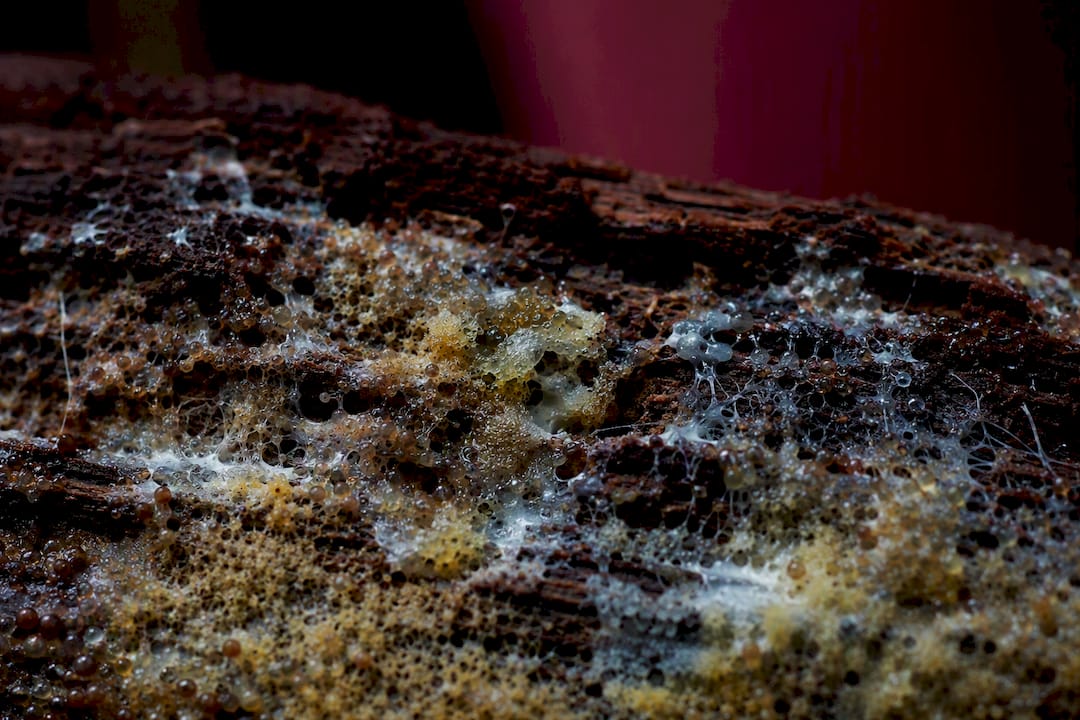
The chain looks roughly like this: humidity changes environmental microbial load, which shifts gut microbiota composition (both bacterial and fungal), which alters metabolite production, which weakens the intestinal barrier, which activates systemic immune responses, which finally shows up as metabolic and hormonal disruption.
Four biomarkers show up again and again in this research, and each one tells a different part of the story:
- Zonulin: a protein that regulates the tight junctions between intestinal cells. Elevated zonulin means a “leakier” gut wall, letting bacterial fragments and toxins slip into the bloodstream.
- IFABP (intestinal fatty acid binding protein): released when intestinal cells are damaged. Higher levels signal active cellular injury in the gut lining.
- IL-17 and IL-23: inflammatory cytokines that ramp up when the immune system detects the barrier breach zonulin and IFABP indicate. This is the body’s alarm response, and it doesn’t stay contained to the gut.
- GLP-1: a hormone that regulates appetite and blood sugar. Mouse studies published in Nature found that high temperature and humidity reduced lithocholic acid, a bile acid that normally stimulates GLP-1 secretion through the FXR receptor pathway. Less lithocholic acid means less GLP-1, which can mean worse blood sugar control.
The bile-acid-to-GLP-1 pathway is one of the more surprising findings in this field. It’s not intuitive that humid air outside would eventually touch a hormone that controls how full you feel after eating, but that’s precisely what the mouse data suggests: environmental heat and moisture disrupt bile acid metabolism, which disrupts the gut microbiome, which disrupts a hormone loop tied to metabolism.
Speed matters too. Research on short-term high relative humidity exposure found that even 12 to 24 hours of elevated humidity raised blood urea nitrogen and shifted colonic ammonia levels by altering gut microbiota. This wasn’t a slow-burn, months-long process. The gut responded within a day.
Pro Tip: You don’t need to control outdoor humidity to interrupt this chain. Reducing indoor relative humidity by even 10 to 15 percentage points cuts environmental fungal and bacterial load meaningfully, even when the air outside stays thick and wet.
If you wanted to sketch this as a diagram, it would run left to right: humid air → surface and airborne microbial growth → altered gut microbiome (bacteria and fungi) → metabolite shifts (short-chain fatty acids, bile acids, ammonia) → barrier disruption (zonulin, IFABP rise) → immune activation (IL-17, TNF-α) → downstream metabolic effects (GLP-1 suppression, blood glucose changes). Each arrow has some experimental support behind it, though the strength of that support varies by step, which the next section breaks down.
What Does the Research Actually Show?
The evidence splits cleanly into two buckets: tightly controlled animal experiments and looser, but still meaningful, human and clinical signals. Both point the same direction. Neither is airtight on its own.
Animal Model Findings
Mice and rats exposed to sustained high relative humidity, typically in the 70 to 95% range for days to weeks and consistently show gut microbiota dysbiosis. One study found elevated IL-17A and TNF-α alongside reduced food intake and disrupted hypothalamic appetite proteins like leptin and POMC, meaning the humidity exposure was reaching all the way into the brain’s appetite control center, not staying confined to the digestive tract.
A separate line of research using multi-omics analysis exposed rodents to 90% relative humidity for 7 to 28 days and found consistent disruption to glycerophospholipid and amino-acid metabolism, with specific changes in metabolites like phosphocholine and taurine. Longer exposure tracked with more pronounced metabolome shifts, suggesting a dose-response relationship, at least in rodents.
Human and Clinical Signals
Human evidence is thinner but not absent. The Frontiers in Immunology study found that people in high-humidity conditions showed elevated zonulin and IFABP alongside higher fasting blood glucose. Researchers then tested the mechanism in mice: when they gave the animals antibiotics to wipe out gut bacteria, the humidity-driven blood glucose spike disappeared. That’s a strong clue the gut microbiota itself, not humidity acting directly on the pancreas or liver, drives the effect.
The clearest human clinical signal comes from neonatal care. A systematic review and meta-analysis of incubator humidity found that preterm infants housed above elevated relative humidity had a higher infection rate compared to lower-humidity incubators. That’s a vulnerable population in a controlled clinical setting, which makes it one of the more trustworthy human data points in this entire field, even though it doesn’t tell us much about healthy adults.
| Study Type | Humidity Condition | Main Finding | Key Biomarker |
|---|---|---|---|
| Mouse model | Warm, high-humidity chamber | Gut dysbiosis, fungal overgrowth, biofilm formation | IL-17A, TNF-α |
| Mouse model | High temperature and humidity | Reduced bile acid, suppressed hormone secretion | Lithocholic acid, GLP-1 |
| Rat/mouse model | 90% RH, 7 to 28 days | Disrupted lipid and amino-acid metabolism | Phosphocholine, taurine |
| Human clinical sample | High ambient humidity | Impaired intestinal barrier, higher fasting glucose | Zonulin, IFABP |
| Mouse model | Short-term high relative humidity exposure for about half a day or more | Rapid rise in blood urea, altered colonic ammonia | BUN, colonic ammonia |
| Preterm infant cohort | Incubator RH above 70% | Higher infection incidence | Clinical infection rate |
The limitations matter as much as the findings. Most controlled experiments use mice or rats, and rodent gut physiology does not perfectly map onto human digestion. Exposure durations vary widely between studies, making it hard to build a consistent dose-response picture. Heat and humidity are frequently studied together, so isolating humidity’s independent effect from temperature’s effect remains difficult. Sample sizes in human cohort work tend to be modest, and confounders like diet, antibiotic use, and baseline gut health rarely get fully controlled for.
What This Could Mean for Your Digestion
If the mechanisms above are active in your body, the consequences tend to cluster around a few recognizable patterns rather than one dramatic illness.
- Increased intestinal permeability shows up as low-grade inflammation that doesn’t always produce obvious symptoms right away.
- Appetite changes can go either direction. Some animal studies show suppressed food intake tied to disrupted leptin signaling.
- Fungal overgrowth and biofilm formation in the gut have been linked to stool changes, including the “sticky stool” pattern described in research on Lingnan region climates, where humidity is a near-constant feature of daily life, much like in Singapore.
- Infection risk climbs for genuinely vulnerable people, infants especially, per the incubator data above.
Watch for a cluster rather than a single symptom: persistent low energy, stool that feels harder to pass cleanly, digestive discomfort that lingers for weeks instead of days, or appetite that shifts without an obvious dietary cause. Any one of these alone probably means nothing. Together, over a stretch of humid weeks, they’re worth paying attention to.
Most healthy adults won’t develop a diagnosable condition from ambient humidity by itself. Risk climbs when humidity stacks on top of other factors: age, existing metabolic disease, immune suppression, or chronic exposure in poorly ventilated spaces. Humidity looks like a risk multiplier here, not a standalone cause.
What Humidity Level Actually Matters for Your Gut?
Relative humidity (RH) measures how much moisture the air holds compared to the maximum it could hold at that temperature. The number itself is what your hygrometer reads, and it’s the number worth tracking.
Microbial growth risk starts climbing meaningfully above 60% RH, and most experimental exposures in the animal studies above used 70 to 95% to reliably trigger gut and immune changes. Neonatal incubator guidance flags anything above 70% as elevated infection risk territory, which lines up with the broader research pattern: 70% RH seems to be where the science starts treating humidity as an active variable rather than background noise. Singapore’s average outdoor humidity regularly sits well above that mark, which is exactly why indoor controls matter so much here.
Place a hygrometer in your bedroom and one enclosed space, like a wardrobe or kitchen cabinet, since these pockets often run wetter than the rest of the room. Log readings for a week rather than checking once. A room that spikes to 75% for two hours after a shower matters less than one that sits at 70% around the clock.
Pro Tip: You can spot a humidity problem before you own a hygrometer. Condensation on windows, a musty smell in closets, or visible spotting on walls all mean corrective action is overdue, even if the outdoor forecast says the air is dry.
How to Protect Your Gut From High Humidity
None of this requires an expensive renovation. Most of the mitigation strategies backed by the research above are low-cost and mechanical.
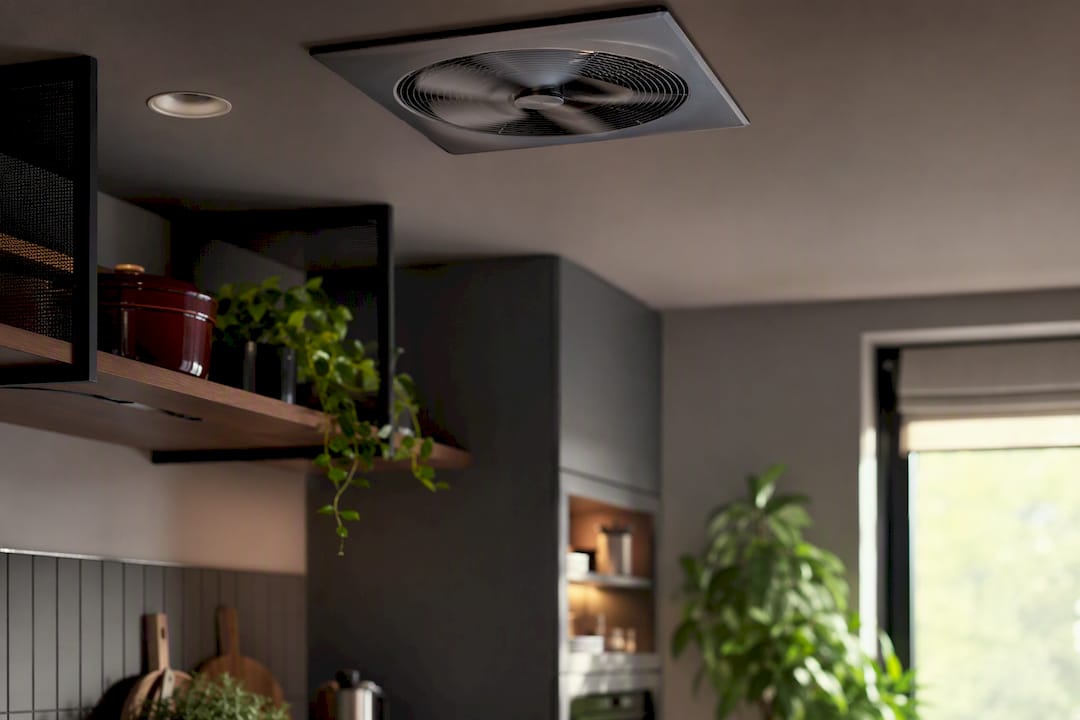
Environmental controls come first. Ventilation alone does a lot of heavy lifting. Research on enclosed storage environments found that improving airflow reduced bacterial growth more effectively than humidity reduction by itself in several tested conditions. Run extractor fans in bathrooms and kitchens. Use a dehumidifier in bedrooms and enclosed cabinets where air doesn’t circulate naturally. Air-conditioning helps too, since it pulls moisture out of the air as a byproduct of cooling.
Hygiene and home maintenance matter just as much. Mold that’s already established needs remediation, not just ventilation. Dry laundry outdoors when possible, or use a ventilated drying rack instead of draping wet clothes indoors, where they dump moisture straight into your living space. Avoid storing food in sealed, humid cabinets, and clean your air-conditioning drain pans regularly since they’re a common overlooked mold source.
Diet and microbiome support round out the picture. A fiber-rich diet helps maintain the gut barrier that humidity threatens to weaken. Fermented foods and low-sugar probiotic beverages can act as adjuncts here, supporting microbial diversity even when the environment is working against it. For genuinely vulnerable people, infants, the immunocompromised, or those managing diabetes, targeted probiotics should happen under clinician guidance rather than as a blanket recommendation. Guidance from Precision Digestive Health reinforces that dietary strategy works best as a consistent, long-term habit rather than a reactive fix during a humid stretch.
Here’s a 30-day sequence that puts this into practice:
- Week 1: Place hygrometers in your bedroom and one enclosed storage space. Log readings twice daily.
- Week 2: Identify your highest-RH zones and add targeted ventilation or a spot dehumidifier there first.
- Week 3: Adjust diet toward fiber-rich, barrier-supporting foods and introduce a fermented beverage if you don’t already have one in rotation.
- Week 4: Review your symptom pattern, energy, stool consistency, appetite, against your humidity log to see if a correlation shows up.
Pro Tip: Run dehumidifiers at night when indoor humidity typically peaks from cooking, showering, and reduced airflow while you sleep. Schedule cabinet and closet cleaning for the driest part of the week rather than waiting for visible mold to force the issue.
Who Should Be Most Careful About Humidity and Gut Health?
Some groups carry meaningfully more risk than others, and knowing where you or someone you care for falls changes how urgently you should act.
- Preterm infants in incubator care, where the meta-analysis above found a clear infection risk above 70% RH.
- Older adults with metabolic disease, particularly type 2 diabetes, given the fasting glucose findings tied to humidity exposure.
- People with existing GI disorders or immune suppression, whose gut barriers may already run compromised before humidity adds further stress.
- Residents of continuously humid, poorly ventilated indoor spaces, including shared dormitories, older apartments without air-conditioning, and homes with limited natural airflow.
Watch closely in poorly ventilated closets, humid bedrooms, neonatal care settings, and food storage areas, since these are the spots where humidity concentrates well above the ambient room reading. If you’re caring for an infant, managing an existing GI condition, or notice sudden blood-sugar or severe digestive changes, that’s a conversation for a clinician, not a hygrometer.
Where the Science Still Falls Short
The honest gaps here matter more than they usually get credit for. Human dose-response data barely exists. We don’t have a solid answer for how many hours at 80% RH meaningfully raises risk for an otherwise healthy adult, because almost no one has run that experiment on people.
Heat and humidity are studied together often enough that separating their individual effects remains genuinely difficult. Most dysbiosis and barrier-disruption findings come from rodent models, and translating those results to human gut physiology involves real uncertainty. And outside the neonatal incubator work, randomized controlled trials in humans are essentially nonexistent.
None of that undermines the biological plausibility of the mechanisms described above. It just means the smart move is prudent, low-cost mitigation now, while researchers close these gaps over the coming years.
Can Fermented Drinks Help Offset Humid-Climate Gut Stress?
Fermented beverages aren’t a fix for a humid living room, but they can support the same gut barrier that humidity works against. Diverse, live-culture drinks help maintain microbiome variety and may support the intestinal lining alongside, not instead of, the environmental controls covered above.
Aboocha’s lower-sugar kombucha flavors, including Sour Plum and Yuzu Osmanthus, fit this adjunct role well for readers looking to add fermented options to a humidity-mitigation routine. You can read more about how fermentation supports digestion in this breakdown of fermented drinks and gut health, plus a broader look at probiotic drink options in Singapore.

One caveat worth stating plainly: if you’re immunocompromised, managing diabetes, or considering a fermented drink for an infant, check with a clinician first. No beverage, kombucha included, cures humidity-related gut stress on its own.
Balancing Environmental Control and Diet: My Take
The mistake I see most is treating this as an either/or choice between buying a dehumidifier and fixing your diet. The research doesn’t support that framing. Measure your indoor humidity first, since you can’t manage what you haven’t tracked. Then control the worst zones, support your gut barrier through consistent, fiber-forward eating and fermented foods, and loop in a clinician the moment symptoms look serious rather than seasonal.
Sources
- Warm and humid environment induces gut microbiota dysbiosis and bacterial translocation leading to inflammatory state and promotes proliferation and biofilm formation of certain bacteria, potentially causing sticky stool
- High humidity environment increases FBG by impairing the intestinal barrier
- High temperature and humidity in the environment disrupt bile acid metabolism, the gut microbiome, and GLP-1 secretion in mice
FAQ
Is 70% Humidity Bad for Your Health?
What Is a Comfortable Indoor Humidity Level?
What Are Signs of an Unhealthy Gut?
Common signs include persistent digestive discomfort, sticky or hard-to-pass stool, low energy that doesn’t resolve with rest, unexplained appetite changes, and recurring bloating, though these should be confirmed with a clinician rather than self-diagnosed.
Why Is Humidity Naturally High in Tropical Climates?
Tropical regions sit near the equator, where warm air holds more moisture and consistent rainfall and ocean proximity keep relative humidity elevated year-round, unlike temperate climates that see humidity swing with the seasons.
Can Reducing Indoor Humidity Actually Improve Digestion?
Reducing indoor humidity limits the fungal and bacterial exposure that studies link to gut dysbiosis, which plausibly supports better digestion over time, though it works best combined with fiber-rich diet and gut-barrier support rather than alone.